
Summary:
PTAC units typically last about seven years in standard conditions, extending to ten years with proper maintenance. But here’s what most property managers don’t realize: high-usage environments with 24/7 operation typically see lifespans of only 5-7 years when maintenance is neglected, while moderate usage can extend life to 8-12 years with proper upkeep.
In NYC’s demanding climate, your units face unique stresses. New York’s summers are extremely hot and winters are freezing, requiring PTAC systems to work harder to maintain optimal temperatures at efficient energy levels. If you’re managing a hotel or apartment building where units run constantly, you’ll want to be more aggressive with your maintenance schedule to offset the additional wear.

NYC’s environment creates specific challenges that accelerate PTAC wear and tear. The city’s dusty urban environment makes filter maintenance even more critical, as clogged filters can decrease HVAC operating efficiency by as much as 20%, translating directly to higher monthly bills in NYC’s already expensive energy market.
PTAC units face constant stress from temperature extremes, humidity changes, and air quality issues, and units that aren’t maintained regularly develop problems that cascade through the entire system, with what starts as a simple cleaning issue becoming a compressor replacement that costs thousands instead of hundreds.
The cascading effect is particularly costly in commercial settings. The air filter plays a crucial role in ensuring proper airflow and keeping debris from clogging internal components, and in high-dust or high-traffic areas such as hotels and healthcare facilities, filters may need cleaning monthly to maintain optimal performance. When you skip this basic maintenance, you’re setting yourself up for expensive repairs down the road.
Hotel and apartment managers often overlook the impact of constant operation. In hotels, PTACs are often oversized because building owners prioritize guest comfort, but oversized units reach target temperature faster and stop running too early, turn on and off more frequently than properly sized units, causing inefficient power consumption and shortened lifespan over time.
NYC’s environment creates specific challenges that accelerate PTAC wear and tear. The city’s dusty urban environment makes filter maintenance even more critical, as clogged filters can decrease HVAC operating efficiency by as much as 20%, translating directly to higher monthly bills in NYC’s already expensive energy market.
PTAC units face constant stress from temperature extremes, humidity changes, and air quality issues, and units that aren’t maintained regularly develop problems that cascade through the entire system, with what starts as a simple cleaning issue becoming a compressor replacement that costs thousands instead of hundreds.
The cascading effect is particularly costly in commercial settings. The air filter plays a crucial role in ensuring proper airflow and keeping debris from clogging internal components, and in high-dust or high-traffic areas such as hotels and healthcare facilities, filters may need cleaning monthly to maintain optimal performance. When you skip this basic maintenance, you’re setting yourself up for expensive repairs down the road.
Hotel and apartment managers often overlook the impact of constant operation. In hotels, PTACs are often oversized because building owners prioritize guest comfort, but oversized units reach target temperature faster and stop running too early, turn on and off more frequently than properly sized units, causing inefficient power consumption and shortened lifespan over time.
Let’s talk real numbers. The cost of PTAC repair in Manhattan depends on complexity, with basic services costing $100–$200, while more involved repairs such as motor or coil replacement can go upwards of $500. But that’s just the beginning.
Service calls in Manhattan can cost anywhere from $400 to $800 for repairs that might be handled at much more reasonable prices in other boroughs. Some apartments are replacing their PTAC units for $2,200 per unit, though property owners aren’t sure if that’s reasonable.
The hidden costs add up quickly. Emergency service calls in NYC typically cost 1.5-2x standard rates, with emergency repair costs often 3-5x higher than preventative maintenance expenses, and these multipliers are even steeper in Manhattan due to access challenges.
Repair becomes the smart choice when you’re dealing with newer units experiencing isolated problems. The cost depends on various factors including the severity of the issue, brand and model, and cost of replacement parts, with minor repairs like cleaning filters or replacing thermostats being more affordable than major issues like compressor failure or refrigerant leaks.
Routine maintenance checks catch issues when they’re still small and inexpensive to fix—a $15 capacitor replacement during maintenance prevents a $300 emergency service call when that same capacitor fails during peak season, and a cleaned coil showing signs of corrosion gets treated before it needs complete replacement.
The key is timing and professional assessment. Delaying necessary repairs can result in more severe damage leading to higher costs, as ignoring minor issues like unusual noises, weak airflow, or inconsistent cooling causes system deterioration, but addressing problems early minimizes expenses, extends PTAC unit lifespan, and ensures optimal function while preventing costly emergency breakdowns.
For units under five years old with good maintenance history, repair typically makes sense. When a unit fails to cool or heat a room as wanted, it may need a new thermostat or refrigerant, particularly if it is more than 5 years old. However, older PTAC units may require specialized components that are harder to source, further impacting the overall repair cost.
Professional diagnosis is crucial. Most PTAC repairs can be completed within 1 to 3 hours, depending on the diagnosis and parts needed, with routine services like cleaning or thermostat replacement being quicker, while major component repairs take longer. This quick turnaround makes repair attractive when the underlying system is sound.
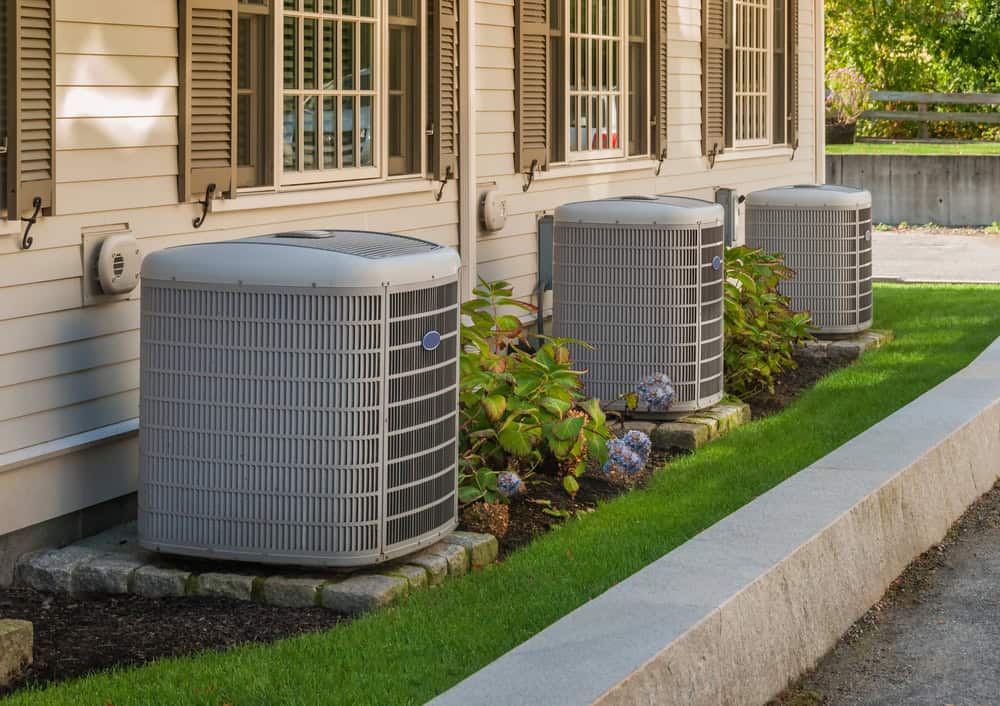
Replacement becomes cost-effective when repair costs approach 50% of replacement value, especially for units over seven years old. If your unit is inefficient, outdated, or requires frequent service, a full replacement may be more cost-effective in the long term.
The energy savings alone can justify replacement. Modern PTAC units featuring R-32 refrigerant reduce global warming potential by 68% compared to traditional refrigerants, integrate variable-speed compressors and intelligent energy management, delivering up to 30% energy savings. These models integrate variable-speed compressors and intelligent energy management, delivering up to 30% energy savings.
Newer units use less electricity than older models, leading to energy savings, and today’s packaged terminal AC units are made to be more energy-efficient and operate quietly. Newer PTAC units are more energy-efficient than older models resulting in lower energy bills, provide better heating and cooling performance, improve indoor air quality by removing pollutants and allergens, and operate more quietly than older models.
Consider the total cost of ownership. New units typically require less maintenance and fewer repairs, saving money in the long run, and upgrading to a new PTAC unit can increase property value by enhancing energy efficiency and comfort. When you factor in reduced maintenance costs, energy savings, and improved reliability, replacement often pays for itself within 3-5 years.
The business disruption factor is significant for hotels and apartments. If one PTAC unit breaks down in a hotel, you don’t need to shut down the entire floor—you only have to purchase a new or refurbished unit for one room, minimizing the impact on regular business operations. New units provide this reliability that aging systems simply can’t match.
The repair versus replacement decision comes down to three key factors: unit age, total cost of ownership, and business impact. The average PTAC lifespan is about seven years, though waiting longer often proves costly as older units become increasingly inefficient and prone to expensive breakdowns, making it wise not to wait until complete failure forces an emergency replacement in NYC’s demanding climate.
The maintenance investment pays for itself through extended equipment life, lower energy costs, and fewer emergency repairs, making it one of the most cost-effective ways to manage building climate control systems, transforming unpredictable equipment into reliable building systems that support property profitability. The key is working with experienced professionals who understand both PTAC systems and NYC’s unique challenges.
When you need expert guidance on PTAC repair versus replacement decisions, we bring over 50 years of specialized HVAC knowledge to help you make the most cost-effective choice for your property. Our extensive parts inventory and consultative approach ensures you get honest advice tailored to your specific situation, not a one-size-fits-all recommendation.