Summary:
You’re probably not thinking about your air conditioner until it stops working on the hottest day of summer. But if your system is pushing 10 or 15 years old, that day might be closer than you think. The average lifespan of a central air conditioner falls somewhere between 12 and 20 years, though plenty of units fail earlier and some last longer. What makes the difference? It’s not just luck. Installation quality, maintenance habits, and where you live all play major roles in whether your system reaches year 12 or year 20. Let’s start with what actually determines how long your AC will run.
How Long Does a Central Air Conditioner Last?
Most central air conditioning systems last between 12 and 20 years. That’s a wide range, and it exists because no two systems experience the same conditions. A well-maintained unit in a mild climate might push past 20 years without major issues. A neglected system in a harsh environment could fail at 10.
The 15-year mark is where most HVAC professionals draw the line. After that, efficiency drops, repairs become more frequent, and the risk of total failure increases. But age alone doesn’t tell the whole story. A 12-year-old system that’s been ignored will perform worse than an 18-year-old unit that’s been properly maintained.
In New York County, NY, the climate adds another layer of complexity. Harsh winters and humid summers put more stress on HVAC systems than milder regions. Your AC works harder here, which means the average AC lifespan tends toward the lower end of that range.
What factors affect how long AC units last?

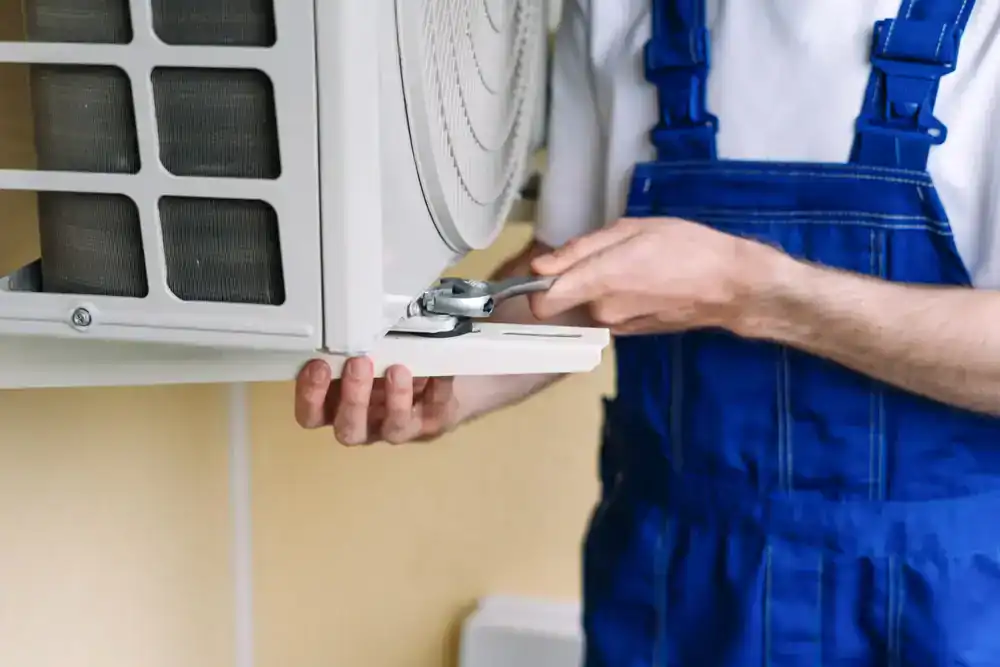
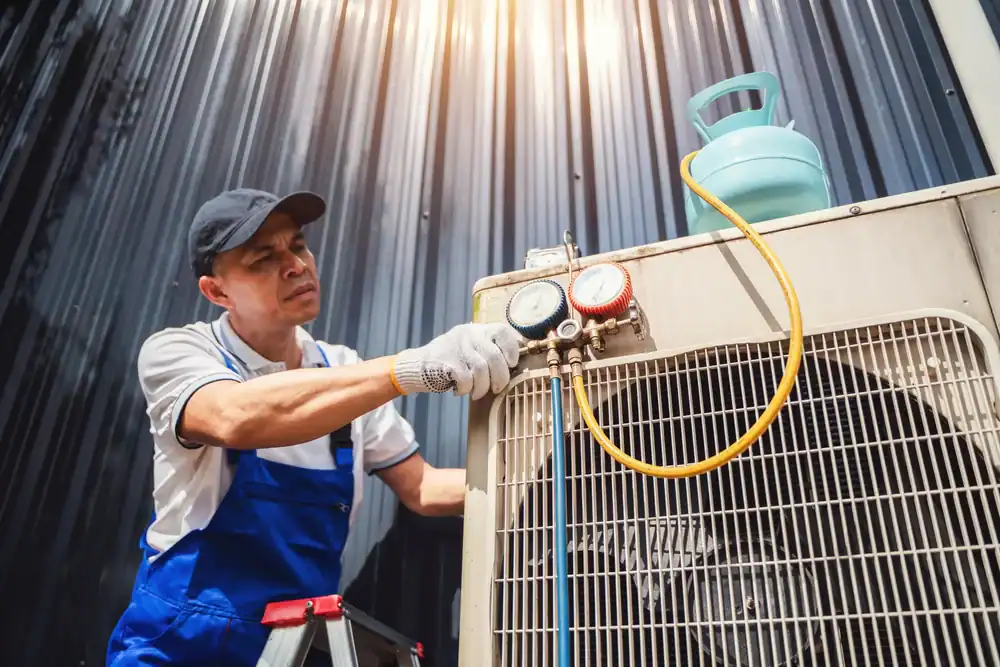
The lifespan of your central air conditioner depends on several factors, and some matter more than others. Maintenance sits at the top of the list. Annual professional tune-ups can add five or more years to your system’s life. During these visits, technicians clean coils, check refrigerant levels, inspect electrical components, and catch small problems before they become expensive failures. After 50 years in the HVAC industry, we’ve seen firsthand that proper maintenance is the single biggest factor in whether a system lasts 12 years or 20.
Installation quality is another major factor. A system that’s improperly installed or incorrectly sized will struggle from day one. Undersized units run constantly trying to cool your space, while oversized units cycle on and off too frequently. Both scenarios cause unnecessary wear and shorten the lifespan of central air conditioner systems. Poor installation can reduce efficiency by up to 30% and lead to premature mechanical failure. Professional installation with proper sizing can extend your central air system life by up to five years.
Climate and usage patterns also play significant roles. In New York County, NY, your air conditioner doesn’t get much downtime. Humid summers mean your system runs hard for months, and the outdoor unit endures freezing winters when it’s not in use. Systems in harsh climates typically reach their mechanical limits sooner than those in temperate zones. NYC’s weather conditions affect how long air conditioners last more than most property managers realize.
Your thermostat settings matter too. Constantly adjusting temperatures or setting your thermostat extremely low forces your system to work harder and cycle more frequently. Each cycle adds wear to components like the compressor and fan motor. Keeping your thermostat at a consistent, reasonable temperature reduces strain and extends the average AC lifespan.
Filter maintenance is simpler but just as important. Dirty filters restrict airflow, forcing your AC to work harder to move air through your space. This increases strain on the blower motor and can lead to overheating. Filters are inexpensive and easy to replace, yet neglecting them is one of the most common reasons systems fail early.
The quality of the unit itself also influences longevity. Higher-quality systems with better components generally last longer than budget models. Brands like Carrier, Trane, Rheem, Lennox, Goodman, and Amana have reputations for durability when properly maintained. Having access to OEM parts for these systems becomes critical as they age, which is where our specialized knowledge of both new and older HVAC systems makes a real difference.
How does New York climate affect air conditioner lifespan?
New York County, NY’s climate is particularly tough on HVAC systems. The region experiences temperature extremes that force air conditioners to work harder than they would in milder areas. Humid summers mean your AC runs almost continuously during peak months, and those extended operating hours add up over the years. Manhattan buildings face especially demanding conditions with limited outdoor space and urban heat island effects.
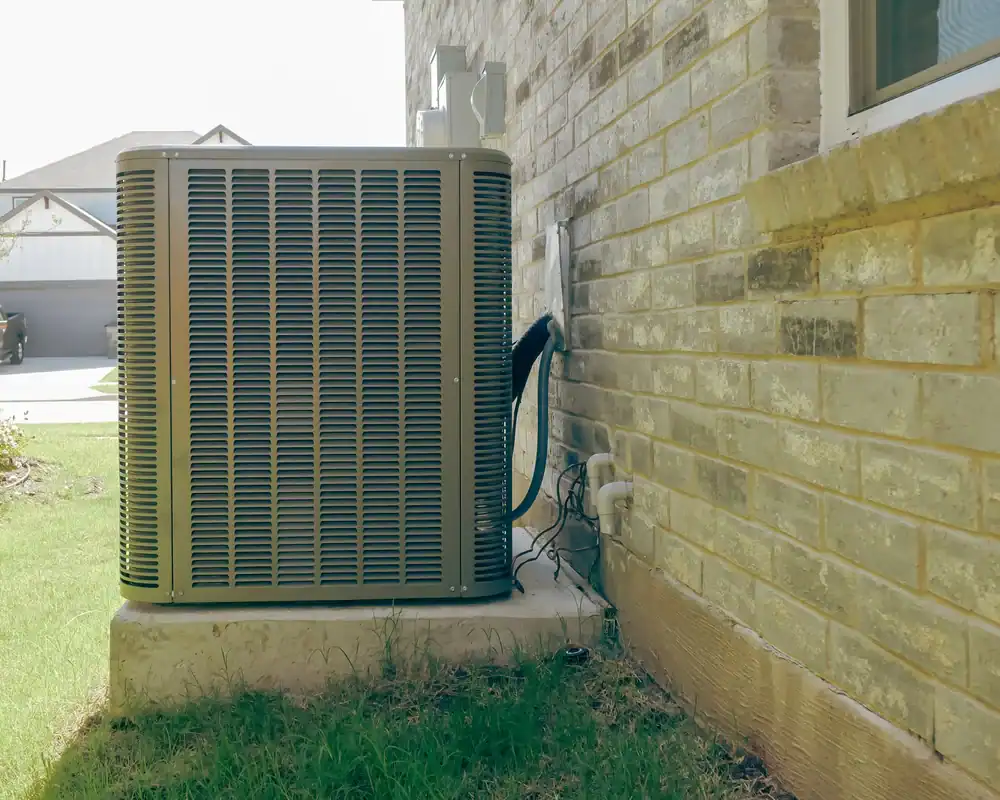
Winter creates its own set of challenges. While your air conditioner isn’t running, the outdoor condenser unit sits exposed to freezing temperatures, snow, ice, and wind. These conditions can cause frost buildup, accelerate corrosion, and stress components even when the system is off. The combination of high summer usage and harsh winter exposure means AC units in New York County, NY often reach the end of their useful life sooner than identical systems in temperate climates.
Urban density also plays a role. Buildings in Manhattan and surrounding areas often have limited ventilation around outdoor units, and condensers can accumulate dirt, debris, and pollutants more quickly than suburban installations. This restricted airflow forces the system to work harder and can lead to overheating. Understanding these local factors helps you set realistic expectations for the lifespan of central air conditioner systems in your buildings.
If you’re operating an AC system in New York County, NY, assume the lower end of the lifespan range unless you’re committed to rigorous maintenance. That 12-to-15-year window is more realistic here than the optimistic 20-year projections you might see for milder climates. Proper maintenance and access to quality replacement parts become even more critical in this environment.
Signs Your Central Air Conditioner Needs Replacement
Knowing when to replace your air conditioner instead of repairing it saves you from throwing money at a dying system. Several warning signs indicate your unit is reaching the end of its useful life. Age is the most obvious factor. If your system is 10 to 15 years old and showing any performance issues, replacement often makes more financial sense than major repairs.
Frequent breakdowns are another red flag. One AC repair every few years is normal. Multiple service calls per year means your system is failing. As components wear out, one problem leads to another, and repair costs add up quickly. If you’re calling for service twice a year or more, start planning for replacement.
Rising energy bills without a corresponding rate increase from your utility company signal declining efficiency. As air conditioners age, they lose efficiency even with regular maintenance. A system that once cooled your space effectively now has to work harder and run longer to achieve the same results, driving up your energy costs in buildings across New York County, NY.
What are the most common signs of AC failure?
Weak airflow is one of the first signs property managers notice when their AC starts failing. If you feel cool air coming from your vents but the flow seems weak, your blower motor or compressor may be struggling. This often indicates the system can’t circulate air effectively anymore, which means it’s working harder to cool your space and wasting energy in the process. This is especially problematic in multi-story buildings common throughout Manhattan.
Strange noises are never a good sign. Air conditioners should run relatively quietly, with maybe a slight hum from the motor. Grinding, banging, squealing, or rattling sounds indicate mechanical problems. A grinding noise might mean worn bearings in the motor. Banging could signal loose components or a failing compressor. These issues rarely improve on their own and typically worsen until something breaks completely.
Inadequate cooling despite the system running constantly is another clear warning. If your AC runs all day but can’t maintain comfortable temperatures, something is wrong. This could be a refrigerant leak, a failing compressor, or simply an old system that can’t keep up anymore. Either way, you’re paying for operation without getting the cooling you need. In New York County, NY’s hot, humid summers, this becomes noticeable quickly.
Moisture or leaks around your indoor unit require immediate attention. Water leaks usually mean a blocked condensate drain, which is fixable. But if you see refrigerant leaking, that’s serious. Refrigerant is expensive to replace, especially if your system uses R-22, which was phased out in 2020. If your older unit develops a refrigerant leak, replacement often costs less than recharging the system with increasingly scarce refrigerant.
Excessive humidity inside your building even when the AC is running suggests your system isn’t dehumidifying properly anymore. Air conditioners remove moisture from the air as part of the cooling process. When that function fails, you’ll notice increased humidity, which can lead to mold growth and decreased indoor air quality. This is a particular concern in NYC’s humid climate.
Uneven temperatures throughout your space indicate the system can’t distribute air effectively. Hot and cold spots mean your AC is struggling to maintain consistent cooling, which could stem from ductwork issues, a failing blower, or an aging system that simply can’t keep up with demand.

When should you repair vs replace your air conditioner?
The repair-versus-replace decision comes down to age, repair costs, and efficiency. A common rule HVAC professionals use is the $5,000 rule: multiply your system’s age by the repair cost. If the result exceeds $5,000, replacement usually makes more financial sense. For example, a 12-year-old system needing a $500 repair gives you 6,000, which suggests replacement. A 5-year-old system needing a $300 repair gives you 1,500, which means repair is the better choice.
Major component failures often tip the scale toward replacement. If your compressor fails, that repair alone can cost $1,500 to $2,500 or more. On a system that’s already 12 to 15 years old, investing that much in a repair doesn’t make sense when a new, more efficient system might cost $5,000 to $8,000. You’re essentially putting half the cost of a new system into an old one that could fail again soon. Having access to over 20,000 parts in stock can make finding components for older systems easier, but even then, economics sometimes favor replacement.
Refrigerant type matters more than most people realize. If your system was manufactured before 2010, it likely uses R-22 refrigerant, which is no longer produced in the United States. Only recycled R-22 is available now, and it’s expensive. A refrigerant recharge on an R-22 system can cost nearly as much as a down payment on a new unit that uses modern, environmentally friendly refrigerant. This is where our specialized knowledge of both new and older HVAC systems becomes valuable in making the right decision.
Energy efficiency should factor into your decision too. Older systems operate far less efficiently than modern units. Even if your old AC still works, it might be costing you hundreds of dollars extra per year in energy bills across your New York County, NY properties. A new, high-efficiency system could pay for itself over time through lower operating costs.
Warranty status is another consideration. If your system is still under warranty, repairs might be covered or significantly discounted. Once the warranty expires, you’re paying full price for everything, which makes replacement more attractive as the system ages. Parts availability also becomes a factor with older systems, though we specialize in hard-to-find and OEM products and can often source what others can’t.
Your comfort level matters too. If your current system barely keeps up during summer or leaves some areas too warm, replacement with a properly sized, modern system will improve conditions significantly. Sometimes the decision isn’t just about money, it’s about maintaining comfortable, productive environments in your buildings.
Maximizing Your Air Conditioner's Lifespan in New York
Understanding the lifespan of your central air conditioner helps you plan ahead instead of reacting to emergencies. Most systems last 12 to 20 years, with 15 years being a realistic target in New York County, NY’s demanding climate. Regular maintenance, quality installation, and proper sizing all extend that lifespan, while neglect and harsh conditions shorten it.
Pay attention to warning signs like frequent repairs, rising energy bills, weak airflow, and strange noises. These indicators tell you when your system is reaching the end of its useful life, giving you time to research options and make informed decisions instead of scrambling for emergency replacement during a heat wave. The average AC lifespan in NYC’s climate demands proactive planning.
If you’re dealing with an aging system or need expert guidance on parts, maintenance, or replacement timing, we bring over 50 years of HVAC industry knowledge to help you maximize your equipment’s lifespan and make the right choices for your situation. With over 20,000 parts in stock and specialized expertise in both new and older systems, we can help you navigate these decisions with confidence.