
Summary:
You’re staring at another repair estimate. Maybe it’s the third one this year, or maybe the technician just told you that parts for your 18-year-old system are nearly impossible to find. Either way, you’re wondering if it’s finally time to stop patching things together and invest in complete furnace and AC replacement.
It’s not a small decision. A full HVAC system replacement in the NYC area typically runs between $8,000 and $20,000, depending on your building type, system size, and installation complexity. But here’s what matters more than the upfront cost: knowing whether you’re throwing good money after bad on an aging system, or if a few more years of reliable service is actually within reach.
Let’s walk through what actually drives that decision—and what you should know before writing a check.
Average HVAC Replacement Cost in NYC and the Tri-State Area
In New York County and throughout Manhattan, complete furnace and AC replacement typically costs between $8,000 and $20,000 for most residential and commercial properties. That’s not just equipment—it includes labor, permits, and the realities of working in one of the country’s most logistically complex markets.
Manhattan projects run 10 to 30 percent higher than work in the outer boroughs. Tight building access, union labor rates, crane requirements for rooftop equipment, and coordination with building management all add to the bill. If you’re in a pre-war building or managing a commercial property, expect the higher end of that range.
For commercial systems—common in hotels, hospitals, and multi-family buildings—costs can reach $80,000 or more depending on capacity and complexity. The good news is that NYC property owners can offset some of these costs through IRA tax credits, Con Edison rebates, and NYSERDA incentives, potentially saving $3,000 to $8,000 when combined.
HVAC Unit Replacement: What's Included in the Price
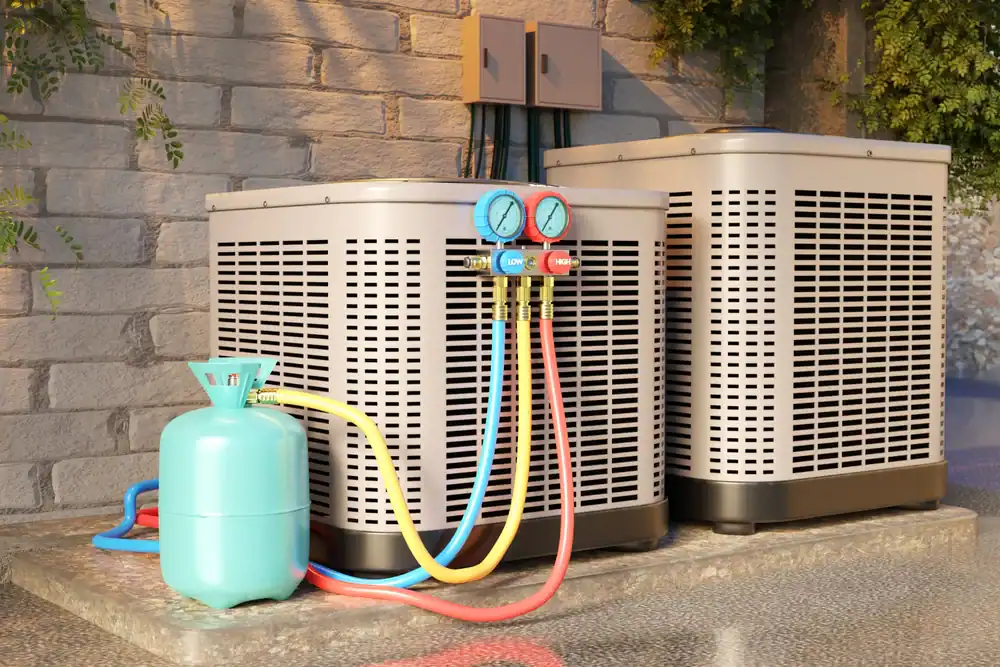
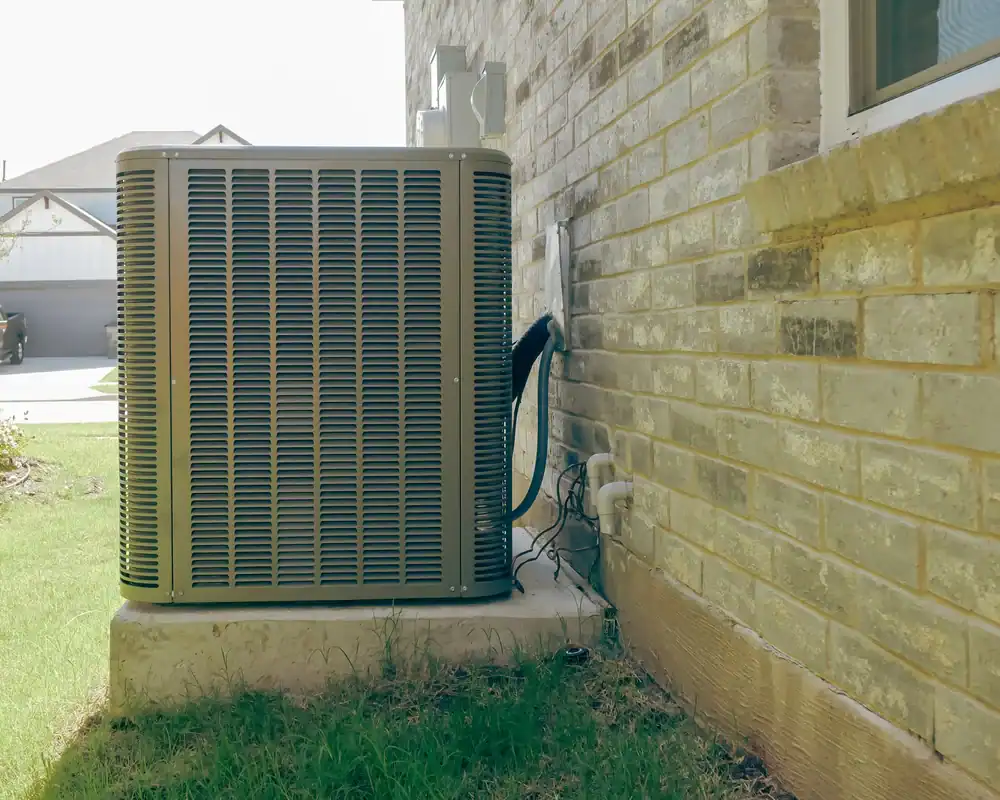
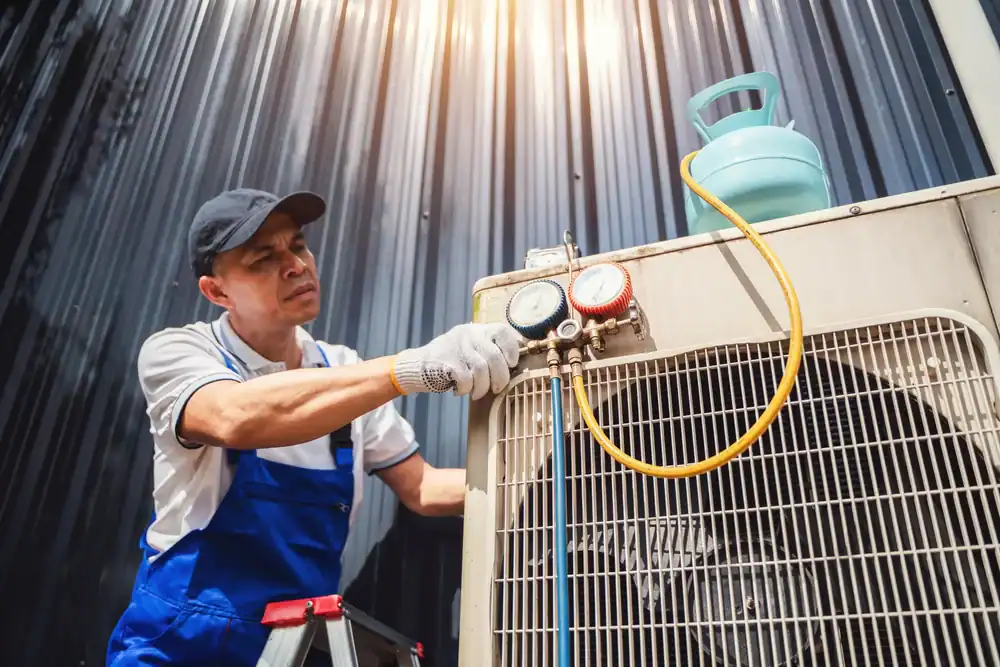
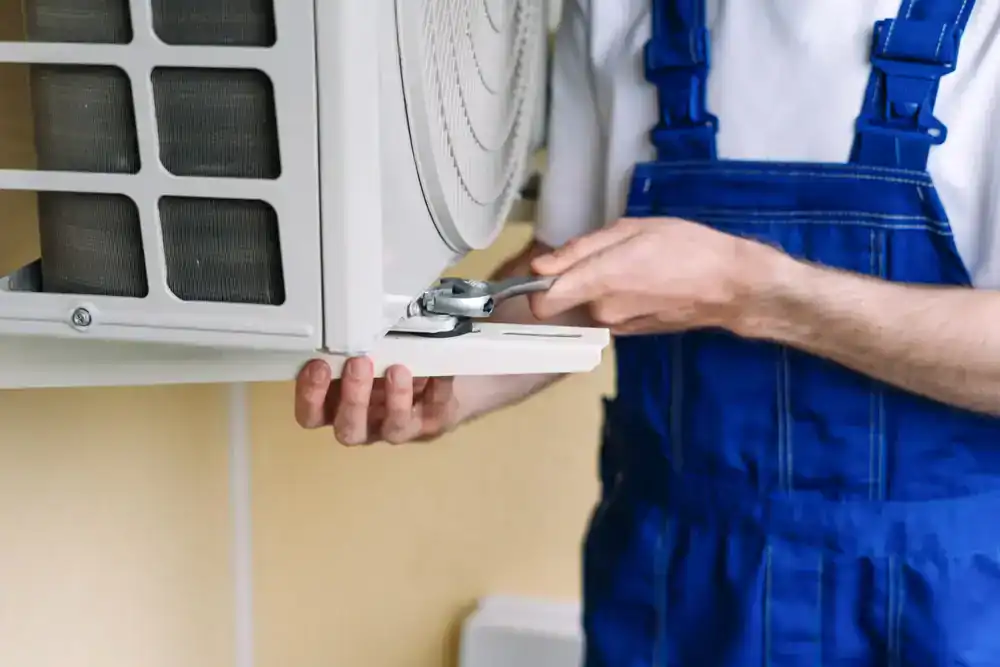
When you see a quote for HVAC unit replacement, you’re not just paying for the furnace and condenser. A complete system includes the indoor air handler or evaporator coil, the outdoor condensing unit, refrigerant lines, electrical connections, thermostat upgrades, and all the labor to remove your old equipment and install the new setup correctly.
Labor alone accounts for 40 to 50 percent of your total project cost in NYC. HVAC technicians here charge between $100 and $200 per hour for installation work, with union rates at the higher end. Full installations typically require $3,000 to $8,000 in labor, sometimes more if ductwork modifications are needed or if your building presents access challenges.
Permits add another $250 to $1,500 depending on scope. If you’re replacing a boiler or working with fuel lines, you’ll need filings from licensed master plumbers and electricians. For buildings constructed before 1989, asbestos inspection paperwork may be required before demolition begins. These aren’t optional costs—they’re part of doing the work legally and safely in New York City.
Then there’s disposal. Removing old HVAC equipment costs $100 to $200, and if your system uses R-22 refrigerant—phased out in 2020—proper refrigerant recovery is both mandatory and expensive. Some contractors bundle disposal into their quote; others charge separately. Always ask upfront.
Equipment brand also matters. Mid-range brands like Carrier, Rheem, and Goodman offer solid performance at competitive prices. Premium brands like Trane and Lennox cost roughly 20 percent more but often come with longer warranties and better efficiency ratings. As a wholesale supplier who carries multiple brands, we give you the flexibility to balance cost and quality based on your specific needs.
Home AC Replacement Cost: Breaking Down the Numbers by System Size
Home AC replacement cost depends heavily on system size, measured in tons. A ton doesn’t refer to weight—it’s a measure of cooling capacity. Most homes need between 1.5 and 5 tons, depending on square footage, insulation, ceiling height, and climate demands.
For a 1,500 to 2,000 square foot home in the NYC area, you’re typically looking at a 2.5 to 3-ton system. That usually falls in the $6,000 to $12,000 range for a combined furnace and AC replacement, assuming your ductwork is in decent shape and doesn’t need major modifications. Smaller homes under 1,000 square feet might get by with a 1.5 to 2-ton system, bringing costs closer to $5,000 to $8,000.
Larger properties over 3,000 square feet often require 4 to 5-ton systems, pushing total costs toward $14,000 to $20,000 or more. Commercial buildings with higher capacity needs can easily exceed those figures, especially when dealing with rooftop units, multiple zones, or specialized equipment like PTAC units and water-source heat pumps.
Here’s what most people don’t realize: bigger isn’t always better. An oversized system cycles on and off too frequently, wasting energy and failing to properly dehumidify your space. An undersized system runs constantly, struggling to keep up and wearing out faster. Proper sizing requires a load calculation—not just guesswork based on square footage. Any contractor who quotes you without assessing your building’s specific heating and cooling needs is cutting corners.
Energy efficiency also drives cost. Higher SEER ratings (Seasonal Energy Efficiency Ratio) mean better efficiency but higher upfront prices. A standard 14 SEER system costs less initially than an 18 SEER model, but the more efficient unit can save $200 or more annually on utility bills. Over a 15-year lifespan, that adds up. For commercial properties running HVAC systems around the clock, efficiency improvements deliver even faster payback.
If your current ductwork is leaking, undersized, or damaged, you’ll need to factor in duct modifications. Ductwork replacement for a 2,000 square foot property adds roughly $2,100 to $4,000 to your project. In older NYC buildings, duct issues are common—and ignoring them means your new, efficient system will underperform from day one.
When Does Furnace and AC Replacement Make Financial Sense?
There’s a simple formula that HVAC professionals use to help you decide: multiply your system’s age by the repair cost. If the result exceeds $5,000, replacement is usually the smarter move. A 12-year-old system needing a $500 repair? That’s $6,000—replacement territory. A 7-year-old system with a $400 fix? That’s $2,800—repair makes sense.
But the formula is just a starting point. If your system is over 15 years old and repair costs exceed 50 percent of what a new system would cost, replacement almost always wins. Older systems lose efficiency, break down more frequently, and often rely on obsolete parts that are expensive or impossible to source.
Frequent repairs are another red flag. If you’ve called for service three or more times in the past two to three years—especially for major components like compressors or heat exchangers—you’re likely better off replacing the unit. At that point, you’re not maintaining a system; you’re keeping a dying one on life support.
Signs Your HVAC System Is Ready for Replacement
Age is the most obvious indicator. Most HVAC systems last 10 to 15 years with proper maintenance. Heat pumps and air conditioners over 10 years old, and furnaces over 15 years old, should at least be evaluated for replacement—especially if they’re showing other signs of decline.
Rising energy bills are a major tell. If your utility costs have climbed but your usage hasn’t changed, your system is likely losing efficiency. Older units work harder to deliver the same comfort, burning through energy and driving up costs. Modern systems use significantly less energy than units built even 10 to 15 years ago, often cutting cooling and heating costs by 20 to 35 percent.
Uneven heating and cooling throughout your building is another sign. Some rooms too hot, others too cold? That usually means your system is struggling to distribute air properly—either because it’s undersized, aging, or poorly installed. A new, properly sized system with correct ductwork should maintain consistent temperatures across your entire space.
Excessive noise is a red flag. Grinding, squealing, or banging sounds often indicate failing components. While some noise issues can be repaired, persistent or worsening sounds usually mean major parts are wearing out. If your system sounds like it’s working harder than it used to, it probably is.
If your system uses R-22 refrigerant, replacement is almost always the right call. R-22 was phased out in 2020, making it expensive and difficult to source. When an older R-22 system develops a refrigerant leak, you’re facing costly repairs for an obsolete product that’s likely to leak again. Replacing the system with a modern unit using R-410A refrigerant makes more financial sense.
Poor indoor air quality can also signal the need for replacement. Older systems struggle to filter and circulate air effectively, leading to increased dust, humidity issues, and worsened allergy symptoms. Newer models come with improved filtration and humidity control features, creating healthier indoor environments—especially important for hospitals, schools, and residential buildings.
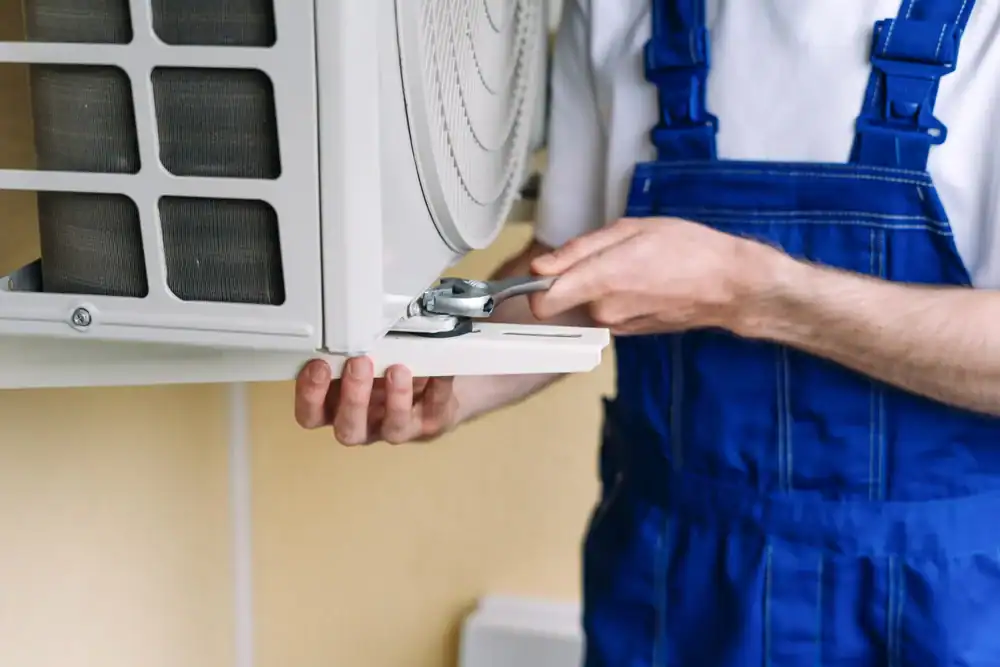
The Benefits of Replacing Both Furnace and AC at Once
Replacing your furnace and air conditioner together—even if one is still limping along—saves money and headaches in the long run. Here’s why: modern HVAC systems are designed to work as matched sets. The indoor and outdoor components are engineered to operate at specific efficiency levels together. Mixing a new AC with an old furnace, or vice versa, often means neither performs optimally.
Labor costs drop significantly when you replace both at once. Your contractor is already on-site, removing old equipment, running new lines, upgrading electrical connections, and pulling permits. Doing the work separately means paying for mobilization, setup, and permitting twice. In NYC, where labor rates are among the highest in the country, that duplication gets expensive fast.
Warranty coverage is cleaner with a full system replacement. Most manufacturers offer 10-year equipment warranties on new systems, but those warranties often require that components are properly matched. Install a new condenser with an old air handler, and you might void coverage on both. Replace everything together, and you’re protected across the board.
Energy efficiency improves dramatically. If your furnace or AC is 10-plus years old, replacing it can save you $200 or more annually on utility bills. Older systems produce dirty air and contaminants that circulate through ductwork and vents, degrading indoor air quality. New systems regulate temperature and humidity more effectively, creating more comfortable and healthier spaces.
There’s also the peace of mind factor. When you replace both units, you’re not waiting for the other shoe to drop. You’re not wondering if the 14-year-old furnace will make it through another winter, or if the aging AC will survive the next heat wave. You’ve got new equipment, new warranties, and years of reliable service ahead—on your terms, not because of an emergency breakdown in July or January.
For commercial properties, coordinated replacement minimizes downtime. Hotels, hospitals, and multi-family buildings can’t afford extended HVAC outages. Scheduling a planned replacement during the shoulder seasons—spring or fall—means less disruption, better contractor availability, and often more competitive pricing than emergency service during peak demand.
Making the Right HVAC Replacement Decision for Your Property
Deciding whether to repair or replace your furnace and AC comes down to three things: the age of your system, the cost and frequency of repairs, and your long-term plans for the property. If your equipment is over 15 years old, repair costs are climbing, and you’re facing another expensive fix, replacement almost always delivers better value.
The upfront investment is significant—$8,000 to $20,000 or more in the NYC area—but the payoff comes in lower energy bills, fewer breakdowns, improved comfort, and the confidence that your system will perform when you need it most. Modern equipment is more efficient, more reliable, and backed by warranties that protect your investment for years to come.
If you’re managing a commercial property or dealing with hard-to-find parts for an older system, working with a supplier who has deep inventory and expertise in both legacy and modern equipment makes the process smoother. For over 50 years, we’ve helped property owners across Manhattan and the Tri-State area navigate these decisions with honest consultations, competitive pricing, and access to the parts and systems that actually fit their needs—not just what’s easiest to sell.