
Summary:
Why Post-Season AC Maintenance Matters More Than You Think
Your AC just spent months working overtime against New York’s heat, humidity, and pollution. It’s been running hard, collecting dirt, and dealing with the stress that comes from cooling apartments in buildings that weren’t designed for modern HVAC demands.
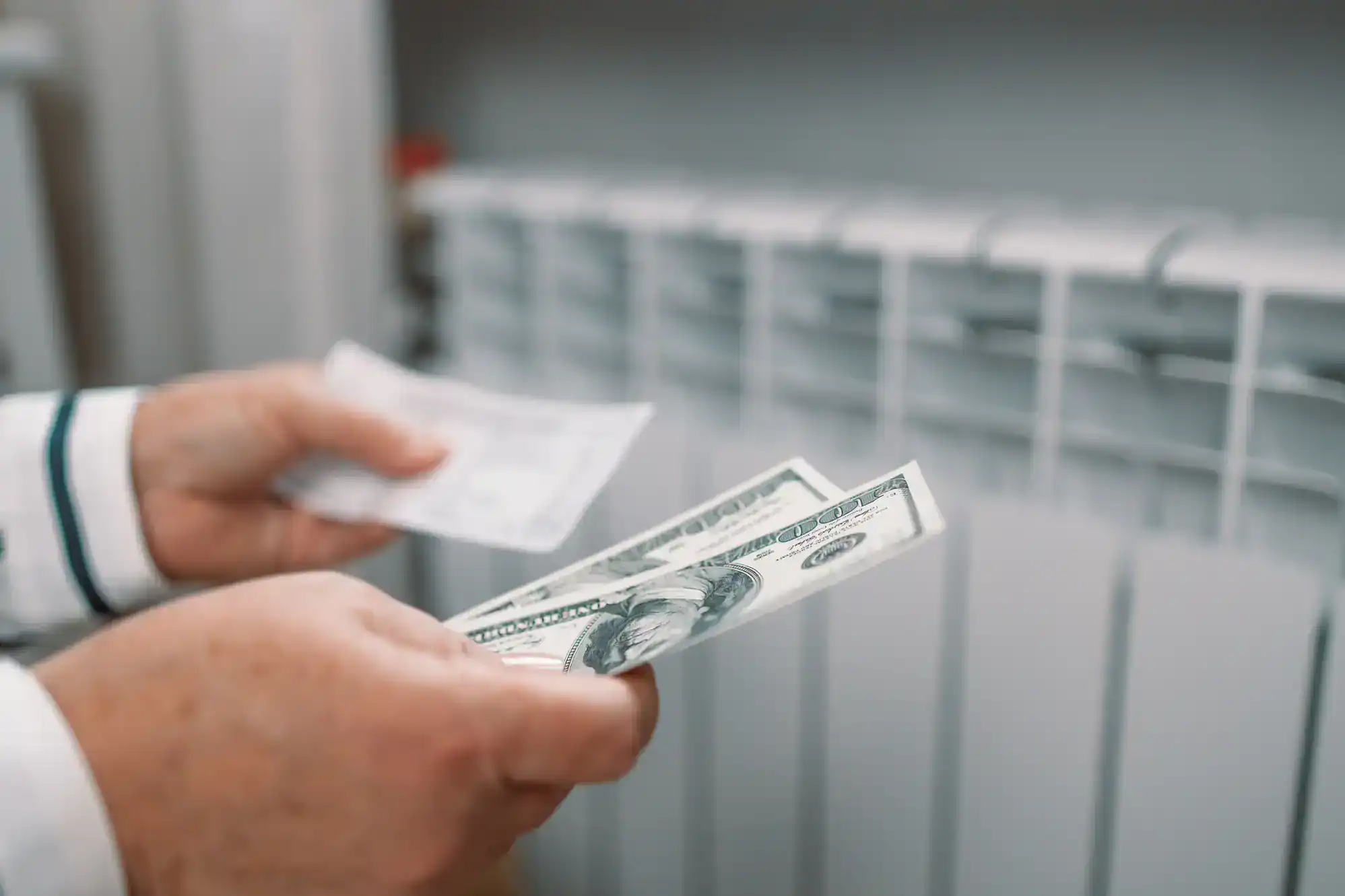
Most homeowners think maintenance is just about preventing breakdowns. That’s part of it, but there’s more. Regular post-season care can cut your energy costs by 5-15% and extend your system’s life by years. When you consider that the average HVAC repair costs $350 and a full replacement runs $8,000-$15,000, spending a few hours on maintenance makes financial sense.
The real advantage? You’re doing this work when you have time to think, research, and make smart decisions. Not when it’s 95 degrees outside and you need cooling now.
What Summer Really Does to Your HVAC System
Living in NYC means your air conditioner faces challenges that suburban systems never see. The constant urban pollution, building vibrations, and extreme temperature swings between air-conditioned interiors and scorching streets create unique wear patterns.
Your outdoor condenser unit has been battling city grime all season. Dust, pollen, and exhaust particles build up on the coils, forcing your system to work harder to transfer heat. Meanwhile, your indoor components have been filtering the air in buildings that might be decades old, dealing with everything from construction dust to cooking odors.
The drain lines that carry away condensation can get clogged with the debris that’s everywhere in the city. When these lines back up, you risk water damage and mold growth. Your air filter has been your first line of defense against all this, which means it’s probably seen better days.
Then there’s the electrical stress. NYC’s power grid fluctuations and the constant cycling on and off in response to temperature changes can wear on your system’s electrical components. Small issues that develop during the cooling season often become major problems if left unchecked through fall and winter.
Understanding what your system has been through helps you prioritize the maintenance tasks that matter most. You’re not just checking boxes—you’re addressing real wear and tear that happened during months of hard work.
The Hidden Costs of Skipping Maintenance
Living in NYC means your air conditioner faces challenges that suburban systems never see. The constant urban pollution, building vibrations, and extreme temperature swings between air-conditioned interiors and scorching streets create unique wear patterns.
Your outdoor condenser unit has been battling city grime all season. Dust, pollen, and exhaust particles build up on the coils, forcing your system to work harder to transfer heat. Meanwhile, your indoor components have been filtering the air in buildings that might be decades old, dealing with everything from construction dust to cooking odors.
The drain lines that carry away condensation can get clogged with the debris that’s everywhere in the city. When these lines back up, you risk water damage and mold growth. Your air filter has been your first line of defense against all this, which means it’s probably seen better days.
Then there’s the electrical stress. NYC’s power grid fluctuations and the constant cycling on and off in response to temperature changes can wear on your system’s electrical components. Small issues that develop during the cooling season often become major problems if left unchecked through fall and winter.
Understanding what your system has been through helps you prioritize the maintenance tasks that matter most. You’re not just checking boxes—you’re addressing real wear and tear that happened during months of hard work.
Your Complete Post-Season HVAC Checklist
Now let’s get practical. This checklist covers what you can handle yourself and what needs professional attention. Start with the simple stuff, but don’t skip the professional inspection—some issues only show up under the trained eye of an experienced technician.
The key is being systematic. Work through each area methodically, and don’t rush. You have time now to do this right, which means you won’t be dealing with problems when the heat returns.
What You Can Check and Clean Yourself
Start with your air filter. Pull it out and hold it up to the light. If you can’t see light passing through clearly, it needs replacement. Don’t just check the main filter—if you have multiple return vents, each one might have its own filter that needs attention.
Next, take a look at your outdoor unit. Turn off the power first, then clear away any leaves, debris, or vegetation that’s accumulated around it. You want at least two feet of clearance on all sides for proper airflow. Gently rinse the condenser coils with a garden hose, but avoid high pressure that could damage the fins.
Inside, check all your vents and registers. Make sure nothing is blocking them—furniture, curtains, or rugs that might have shifted during the summer. Vacuum out any dust buildup and wipe down the vent covers. While you’re at it, listen for any unusual airflow sounds that might indicate blockages deeper in the system.
Don’t forget about your thermostat. Make sure it’s reading temperature accurately by comparing it to a separate thermometer placed nearby. Check that the settings make sense for the season and that programmable features are working as expected. If it uses batteries, now’s a good time to replace them.
Look for any obvious signs of trouble: water pooling around the indoor unit, ice buildup anywhere on the system, or unusual sounds when the system runs. These are red flags that need professional attention, but catching them early means addressing them on your timeline, not in an emergency.
The condensate drain line deserves special attention in NYC apartments. These lines can clog with the dust and debris that’s everywhere in the city. If you can access the drain line, check that water flows freely. A clogged drain can cause water damage and create conditions for mold growth.
When to Call in the Professionals
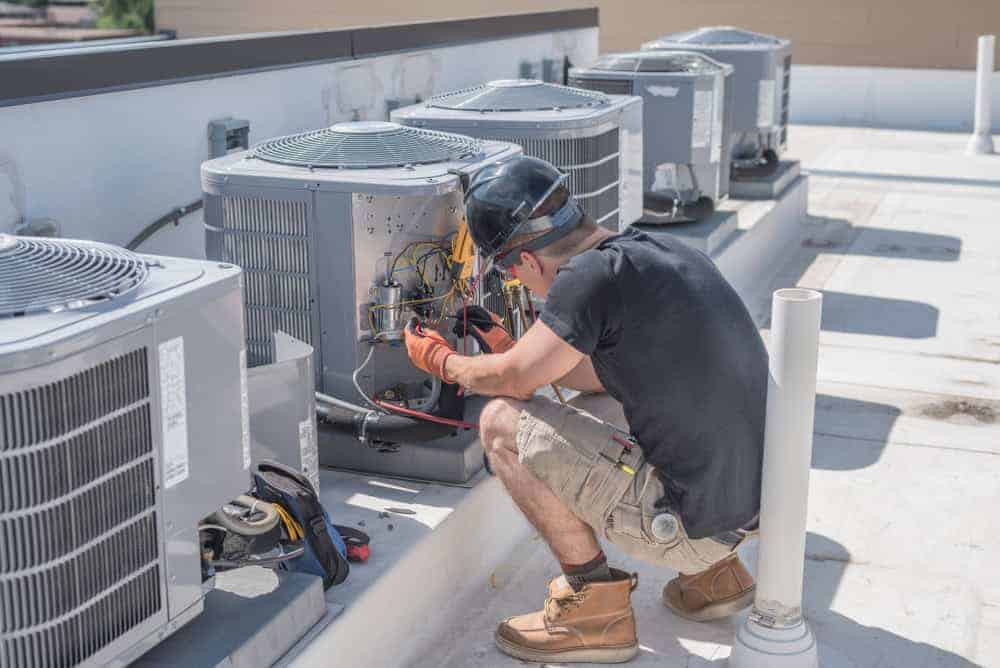
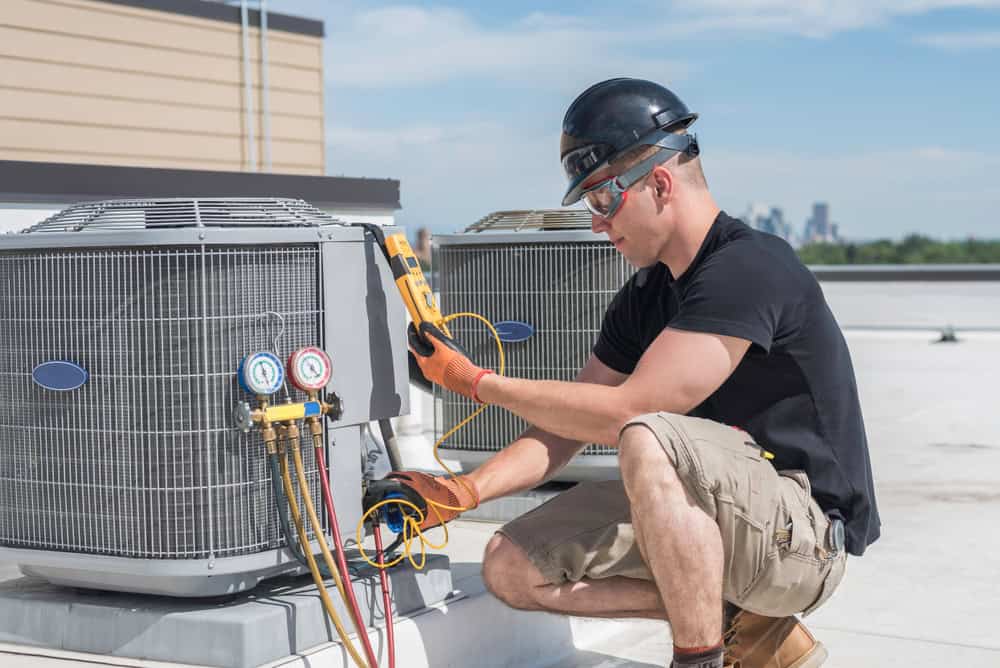
Some maintenance tasks require professional expertise, especially in NYC where HVAC systems face unique challenges. A professional tune-up should include checking refrigerant levels, testing electrical connections, calibrating controls, and inspecting components that aren’t accessible to homeowners.
Refrigerant issues are particularly important. If your system is low on refrigerant, it usually means there’s a leak somewhere. This isn’t just about cooling performance—refrigerant leaks can cause serious damage to your compressor, turning a moderate repair into a major expense. Professional technicians have the tools and training to detect leaks and recharge the system properly.
Electrical connections need attention too. The constant cycling and vibration can loosen connections over time, creating safety hazards and reducing efficiency. Faulty electrical connections are a leading cause of HVAC failures and can even pose fire risks. This isn’t DIY territory—it requires someone with the right training and equipment.
Your system’s controls and safety devices need testing to ensure they’ll work when needed. This includes checking that the system shuts down properly when it should and that safety controls respond correctly to various conditions. These tests require professional diagnostic equipment and expertise.
If you’ve noticed any performance issues during the summer—uneven cooling, higher energy bills, frequent cycling, or unusual sounds—a professional inspection can identify the root causes and address them before they become bigger problems. In older NYC buildings, HVAC systems often face unique challenges that require experienced troubleshooting.
Professional maintenance also includes tasks like cleaning internal components that you can’t safely access, checking ductwork for leaks or damage, and ensuring that your system is properly sized and configured for your space. These factors significantly impact efficiency and comfort but require professional assessment.
Preparing Your NYC HVAC System for Success
Taking care of your HVAC system after summer isn’t just about preventing problems—it’s about setting yourself up for reliable, efficient cooling when you need it most. In a city where temperatures can swing from comfortable to unbearable in hours, having a system you can count on isn’t a luxury, it’s essential.
The maintenance you do now, during the calm before next summer’s storm, makes all the difference. You’re not just checking boxes or following a routine—you’re making a smart investment in your comfort, your budget, and your peace of mind.
When you need expert help with your HVAC system, we bring over 50 years of NYC experience to every job. We understand the unique challenges your system faces in this city, and we’re here when you need us.