Summary:
Week 1-2: Assessment and System Design
The initial consultation involves detailed measurements, load calculations, and evaluation of your existing ductwork, electrical capacity, and gas connections to determine the optimal system size and configuration for your specific space. Brothers Supply’s technicians spend 2-3 hours examining your home’s insulation, windows, ceiling heights, and room layouts to perform Manual J load calculations that prevent the oversizing or undersizing problems that cause comfort and efficiency issues. This assessment identifies potential installation challenges like inadequate electrical service, ductwork modifications, or access limitations that could affect timeline and costs. The design phase includes selecting equipment that matches your budget, efficiency preferences, and Manhattan building requirements while creating installation plans that minimize disruption to your daily routine. Equipment selection involves comparing different manufacturers, efficiency ratings, and features to find systems that provide the best value for your specific needs and budget constraints. The detailed estimate includes labor costs, materials, permits, and timeline projections that help you plan financially and logistically for the installation process.
Custom Solutions for Manhattan Constraints
Manhattan’s unique building characteristics often require custom solutions for equipment placement, ductwork routing, and access challenges that standard installations don’t encounter. The design phase addresses space limitations, noise restrictions, and building management requirements that affect equipment selection and installation approaches. Professional planning prevents costly changes and delays that occur when contractors discover unexpected obstacles during installation.
Permit Applications and Equipment Ordering
Manhattan’s unique building characteristics often require custom solutions for equipment placement, ductwork routing, and access challenges that standard installations don’t encounter. The design phase addresses space limitations, noise restrictions, and building management requirements that affect equipment selection and installation approaches. Professional planning prevents costly changes and delays that occur when contractors discover unexpected obstacles during installation.
Week 3-4: Installation and Testing Phase
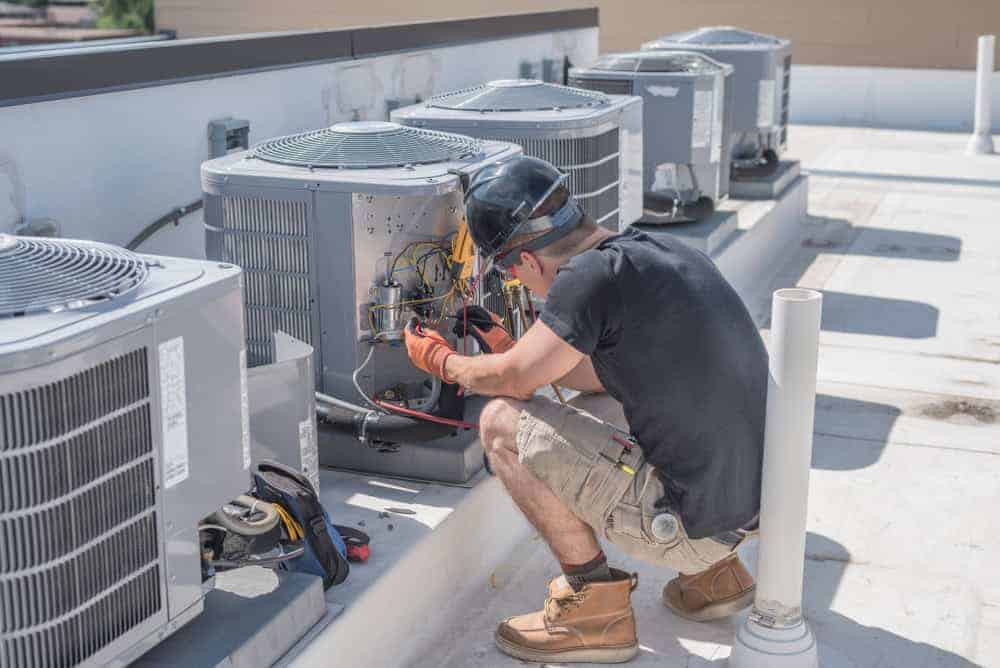
Installation day begins with protecting your home’s surfaces, removing old equipment safely, and staging new components for efficient installation that minimizes disruption time. The actual installation typically requires 1-3 days depending on system complexity, with straightforward replacements completing faster than installations requiring new ductwork, electrical upgrades, or structural modifications. Brothers Supply’s installation team works systematically through equipment placement, refrigerant line installation, electrical connections, and ductwork modifications while maintaining clean work areas and protecting your home’s finishes. Quality control during installation includes pressure testing refrigerant lines, verifying electrical connections, and checking gas line integrity before activating the new system for initial testing. The testing phase involves running complete heating and cooling cycles while monitoring temperatures, pressures, and airflow to verify proper operation before the installation team leaves your home. Final inspections by city officials typically occur within 1-2 days after installation completion, with Brothers Supply coordinating these appointments and addressing any inspection requirements.
System Testing and Performance Verification
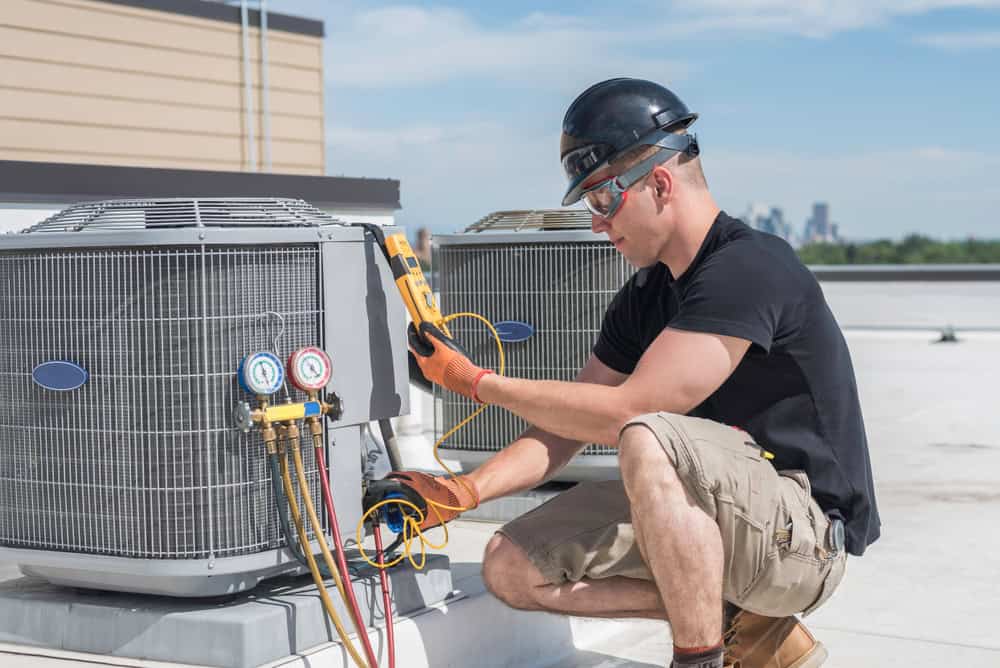
Performance testing includes measuring temperature differentials, airflow rates, and system pressures to confirm that your new equipment operates within manufacturer specifications and efficiency ratings. Brothers Supply’s technicians use calibrated instruments to verify proper refrigerant levels, thermostat accuracy, and safety system operation that protects your equipment and home. Any performance issues discovered during testing are addressed immediately rather than leaving problems for future service calls.
Owner Education and Warranty Registration
The final walkthrough includes instruction on thermostat operation, filter replacement schedules, and maintenance requirements that protect your warranty coverage and system performance. Brothers Supply provides written documentation of system specifications, warranty information, and maintenance schedules that help you care for your investment properly. Understanding proper operation prevents user errors that can cause equipment problems or void warranty coverage.
Plan for Success with Professional Project Management
A typical HVAC installation timeline spans 2-6 weeks from consultation to final testing, with each phase serving important functions that affect your system’s long-term performance and reliability. Professional project management by experienced contractors like Brothers Supply coordinates permits, deliveries, and installations while keeping you informed about progress and any delays that affect your schedule. Understanding this timeline helps you prepare appropriately and maintain realistic expectations throughout the process. Contact Brothers Supply today to begin your HVAC installation project with professional guidance that manages every detail from consultation through final testing.