Summary:
If you’re pricing out a commercial HVAC installation in Manhattan, you’ve probably noticed that getting a straight answer on cost is harder than it should be. That’s because the real number depends on factors most contractors don’t mention upfront: your building’s age, rooftop access, whether you need a crane, what permits the city requires, and how your property’s layout affects installation complexity. A small office system might run $25,000 while a multi-zone building could hit $80,000 or more. The difference isn’t just about equipment. It’s about everything that happens between the truck arriving and your system passing inspection. Here’s what actually determines commercial HVAC installation cost in NYC and how to avoid the surprises that blow budgets.
NYC HVAC Installation Cost Breakdown 2026
Commercial HVAC installation in New York County runs anywhere from $8,000 to $80,000 and up, depending on what you’re installing and where. That’s a wide range because the city doesn’t make anything simple. A straightforward rooftop unit replacement in a low-rise building with existing ductwork and easy access sits at the lower end. A full VRF system for a multi-story commercial building with limited mechanical space and landmark restrictions pushes well past six figures.
For most small to mid-size commercial properties—think 5 to 8 zones—you’re looking at $25,000 to $43,000 installed. That includes equipment, labor, and the NYC DOB permit. If you’re replacing an existing system with similar specs and the infrastructure is sound, costs stay more predictable. When you’re adding zones, upgrading electrical, or dealing with a building that hasn’t been touched in decades, expect the number to climb.
What's Included in HVAC Installation Pricing
HVAC installation pricing should cover more than just the unit itself. You’re paying for equipment, labor, materials, permits, and sometimes things you don’t think about until they show up on the invoice. Equipment cost varies by brand, efficiency rating, and system type. A high-efficiency heat pump costs more upfront but saves on energy bills long-term. Labor includes the actual installation, startup, testing, and any modifications needed to make the system fit your building’s layout.
Materials cover refrigerant lines, ductwork modifications, electrical upgrades, thermostats, and controls. In NYC, you’re also paying for DOB permits, which run $500 to $2,000 or more depending on project scope. If your building needs a crane to lift equipment to the roof, add another $2,000 to $5,000 for a single crane day. Pre-war buildings, tight access points, and landmark district approvals all add labor hours, which means higher costs.
Then there’s the stuff nobody mentions until it’s too late. Does your electrical panel have capacity for the new system? If not, you’re paying for an upgrade. Is your ductwork in good shape? If it’s leaking or undersized, you’ll need repairs or replacement. Do you need to coordinate with a co-op board or building management? That adds time and documentation work. Manhattan projects tend to cost 10 to 20 percent more than Brooklyn or Queens because of tighter street access, stricter building requirements, and longer freight elevator wait times. All of this matters when you’re trying to figure out what you’ll actually pay.
Factors Affecting NYC HVAC Installation Costs
System complexity is the first factor. A single-zone rooftop unit is straightforward. A multi-zone VRF system with individual controls for each floor requires more equipment, more labor, and more coordination. Building type matters too. A new construction office building with open walls and accessible mechanical spaces costs less to work in than a 100-year-old property with thick masonry walls, limited electrical capacity, and restricted outdoor unit placement.
Accessibility drives cost more than most people realize. Walk-up buildings mean hand-carrying equipment up multiple flights of stairs. Roof access for outdoor units might require a crane or scaffolding. Buildings in landmark districts like SoHo or TriBeCa add Landmarks Preservation Commission coordination time, which doesn’t change equipment cost but does add to the overall project timeline and labor. Co-op alteration agreements add documentation work but typically don’t increase equipment costs directly.
System size and capacity affect pricing because larger buildings need more powerful systems, which cost more. But size isn’t just about square footage. It’s about occupancy, insulation, lighting load, equipment heat, and how the building is actually used. A 2,000-square-foot restaurant with heavy kitchen equipment needs more cooling capacity than a 2,000-square-foot office. Proper load calculations ensure you’re not overpaying for a system that’s too big or underpaying for one that can’t handle the job. Efficiency ratings also play a role. Higher SEER and EER ratings mean better performance and lower energy bills, but they cost more upfront. You’re deciding whether to pay now or pay later.
Residential vs Commercial HVAC Installation Pricing
Residential HVAC installation in NYC typically runs $4,000 to $15,000 for a full system. Commercial installations start higher and scale up quickly because the systems are larger, more complex, and subject to stricter regulations. A residential system serves one family in one unit. A commercial system serves multiple tenants, operates longer hours, and has to meet commercial building codes that residential systems don’t.
Commercial systems also require different permitting. Most commercial HVAC installations need a DOB permit, and systems over 3 tons typically need an Equipment Use Permit from the NYC Department of Buildings. The FDNY schedules periodic inspections, and missing an EUP card gets you a Notice of Violation. Residential systems have simpler permit requirements, and smaller window units under 3 tons are often exempt. The stakes are higher on the commercial side because downtime affects business operations, tenant comfort, and in some cases, regulatory compliance.
Commercial System Types and Cost Comparison
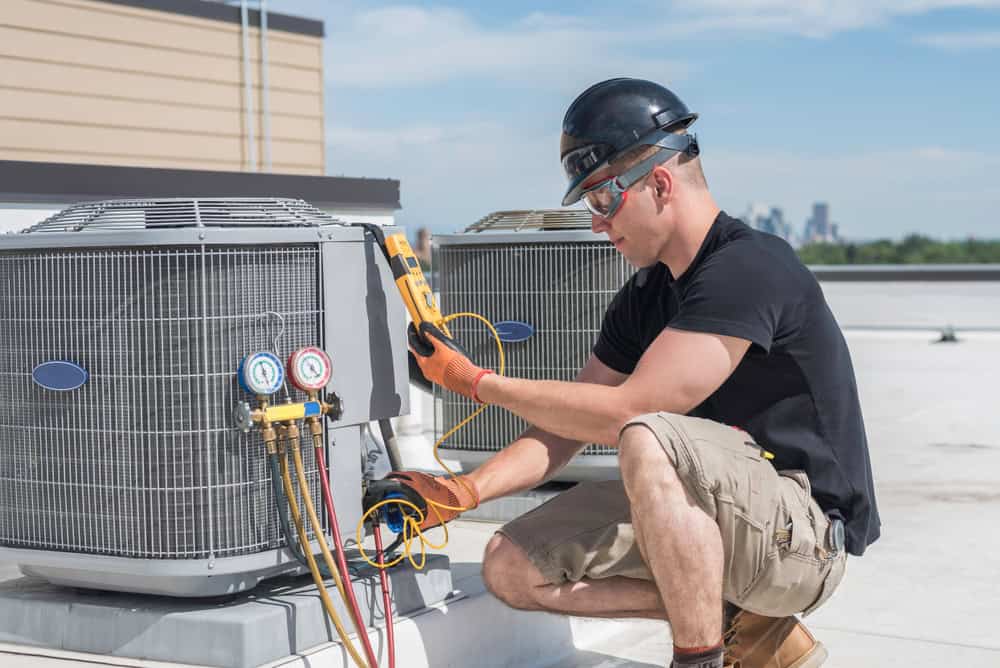
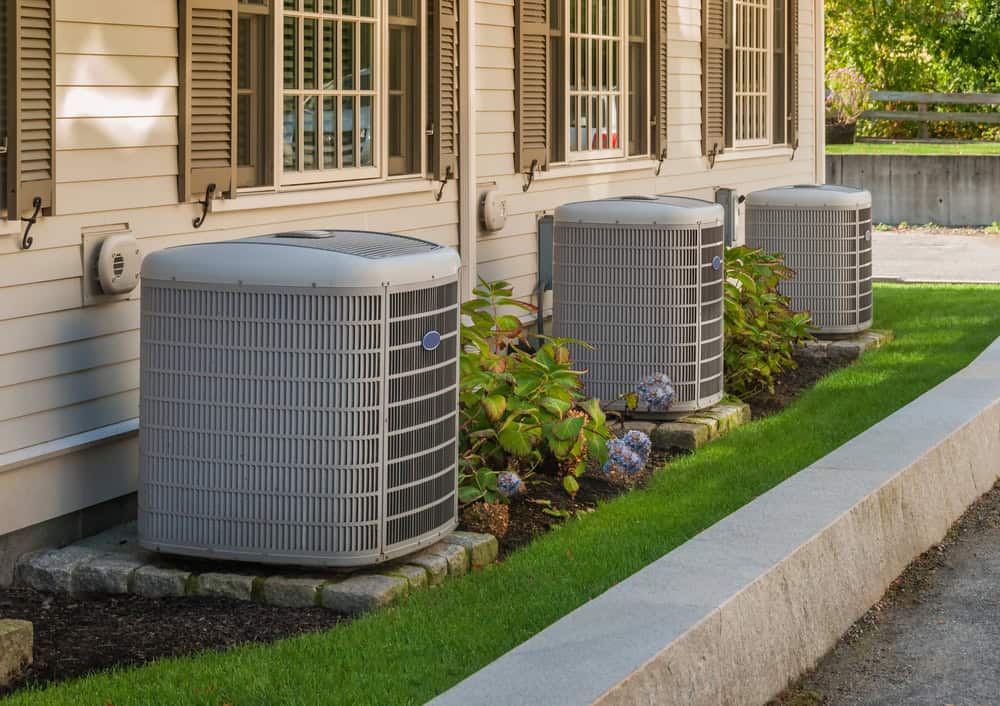
Rooftop units are common in commercial buildings because they save interior space and simplify installation. A small rooftop HVAC replacement starts around $12,000 to $20,000 for basic systems. Larger capacity units or projects requiring ductwork modifications, electrical upgrades, or roof reinforcement push costs higher. Straight replacement projects where you’re swapping out old equipment with new using existing infrastructure stay in the lower to mid-range.
VRF systems offer precise zone control and are popular in office buildings, hotels, and mixed-use developments. Installation costs range from $40,000 for small buildings to $300,000 and up for large commercial properties. The advantage is energy efficiency and individual temperature control for each zone, but the upfront investment is significant. Mini-split systems work well when ductwork installation isn’t practical. A single-zone system runs $3,600 to $5,500 installed. Multi-zone systems serving 2 to 4 rooms cost $6,900 to $17,800. They’re a good option for older buildings where adding ductwork would be cost-prohibitive.
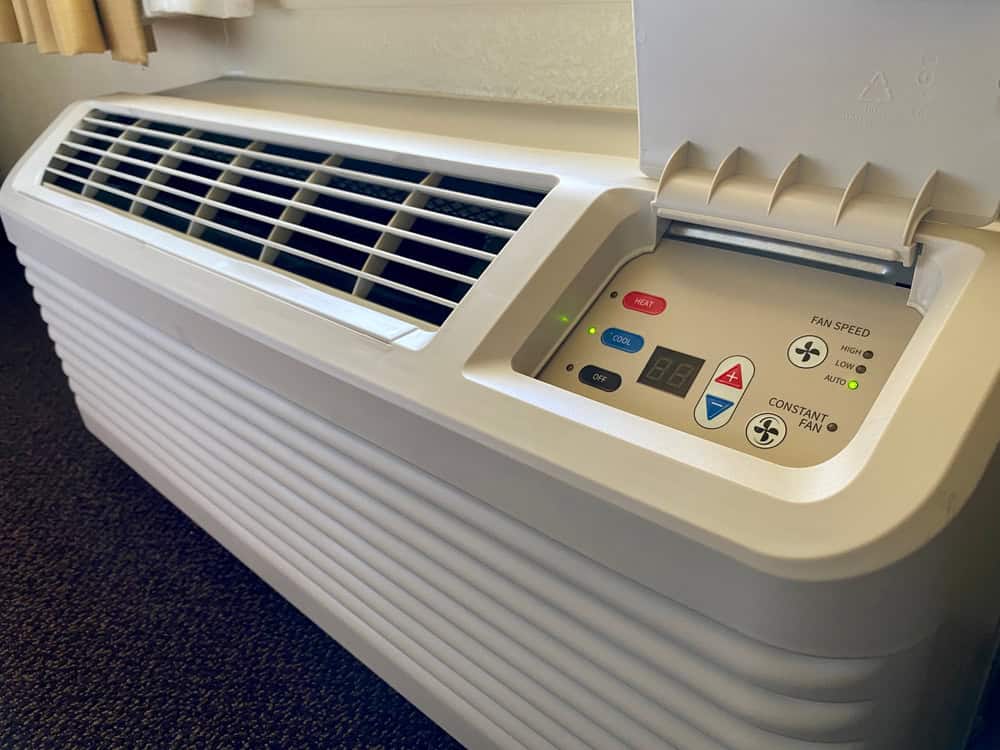
PTAC units are common in hotels and older residential buildings. They’re self-contained units that fit through the wall and handle heating and cooling for a single room. Replacement units are straightforward and cost-effective. Water-source heat pumps are efficient and quiet, making them ideal for schools, healthcare facilities, and office buildings. They connect to a building’s water loop and provide heating and cooling without the noise of traditional systems. Fan coil units offer flexibility and are available in various configurations. They work with 2-pipe or 4-pipe systems and can be customized with different accessories depending on project needs. Each system type has different installation requirements, which directly affects cost.
Hidden Costs and Unexpected Expenses
Permits are the first hidden cost that catches property owners off guard. NYC requires DOB permits for most commercial HVAC work, and the fees vary based on project scope. A basic equipment swap might run $800 to $2,800 in permit fees. More complex alterations involving structural changes, new ductwork, or electrical upgrades cost more. Equipment Use Permits add another layer of cost and ongoing compliance requirements.
Crane access is another surprise. If your building needs rooftop equipment and there’s no internal access, you’re renting a crane for the day. That’s $2,000 to $5,000 minimum, and it’s non-negotiable if there’s no other way to get the unit up there. Electrical upgrades sneak into budgets when the existing panel doesn’t have capacity for the new system. Upgrading a panel isn’t cheap, and it’s required work if you want the system to function safely.
Ductwork is often assumed to be fine until someone actually inspects it. Leaks, incorrect sizing, and deterioration are common in older buildings. Ductwork replacement or repair adds $1,000 to $5,000 depending on the extent of the work. Asbestos abatement is a reality in pre-war buildings. If your ductwork or insulation contains asbestos, you’re paying for professional removal before any HVAC work can proceed. That’s a separate project with its own costs and timelines.
Building access fees and coordination costs add up in multi-tenant buildings. Freight elevator reservations, after-hours work requirements, and building management coordination all take time, and time is money. Some buildings charge access fees for contractors. Others require insurance certificates, background checks, or security deposits. It’s all part of doing business in NYC, but it’s rarely mentioned in the initial quote. Off-season installation can save money. Spring and fall are less busy than summer and winter, and some contractors offer discounts when demand is lower. It’s worth asking about timing if your project has flexibility.
Making Smart Decisions on HVAC Installation Costs
Commercial HVAC installation cost in NYC isn’t just about the equipment. It’s about understanding every factor that affects the final number—permits, access challenges, building type, system complexity, and the hidden costs that only show up once work begins. Property owners who budget accurately and ask the right questions upfront avoid the surprises that derail projects and blow budgets.
The key is working with a provider who knows NYC’s unique challenges and can give you a realistic picture of what your specific building requires. Whether you’re replacing a rooftop unit, installing a multi-zone VRF system, or upgrading an outdated PTAC setup, the right expertise makes the difference between a smooth installation and a costly mess.
We’ve been navigating these challenges for over 50 years, serving commercial properties across Manhattan and the Tri-State area. Our team understands the permitting process, the access issues, and the building-specific factors that affect cost and timeline. When you need honest answers and a partner who knows what they’re doing, that’s where experience matters most.