Summary:
If you’re pricing out HVAC installation in New York County, NY, you’ve probably noticed the numbers don’t match what you see online for other cities. That’s because NYC isn’t like other cities. Between DOB permits, building access logistics, and labor rates that reflect the complexity of working in Manhattan, the final bill includes more than just equipment and installation. You need to know what you’re actually paying for—and what costs show up later if you’re not asking the right questions upfront. This guide walks through real NYC HVAC installation costs for 2026, broken down by system type, project scope, and all those extras that catch property owners off guard.
NYC HVAC Installation Cost Breakdown
HVAC installation costs in New York City range from around $4,000 to $15,000 for residential systems and $8,000 to $80,000 or more for commercial installations. The wide range comes down to system type, building size, and how complex the job actually is once you factor in NYC-specific requirements.
Residential projects in Manhattan typically run 10 to 20 percent higher than the same work in Brooklyn or Queens. Why? Tighter street access, stricter building management protocols, and the time it takes just to coordinate freight elevator schedules. Commercial HVAC installation costs scale up from there, especially for multi-zone systems in hotels, hospitals, or office buildings where downtime isn’t an option.
The equipment itself is only part of the total HVAC system cost. Labor, permits, building access, and any modifications to existing infrastructure all add to the final number. If you’re replacing an old system in a pre-war building with thick masonry walls and limited electrical capacity, expect the labor hours to climb.
What's Included in Your HVAC System Cost
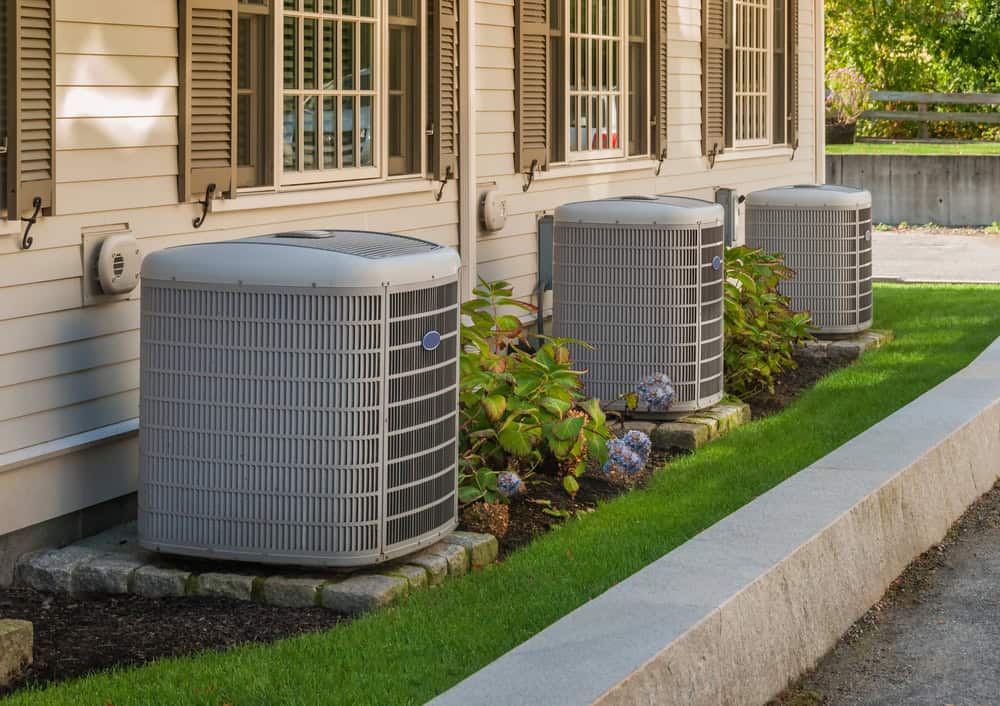
When you get a quote for HVAC installation in New York County, NY, you want to see a full breakdown. The equipment cost is straightforward—that’s the furnace, air handler, condenser, or heat pump unit itself. Prices vary by brand, size, and efficiency rating. A standard residential system might run $3,000 to $7,000 for the unit alone, while high-efficiency or commercial-grade equipment pushes higher.
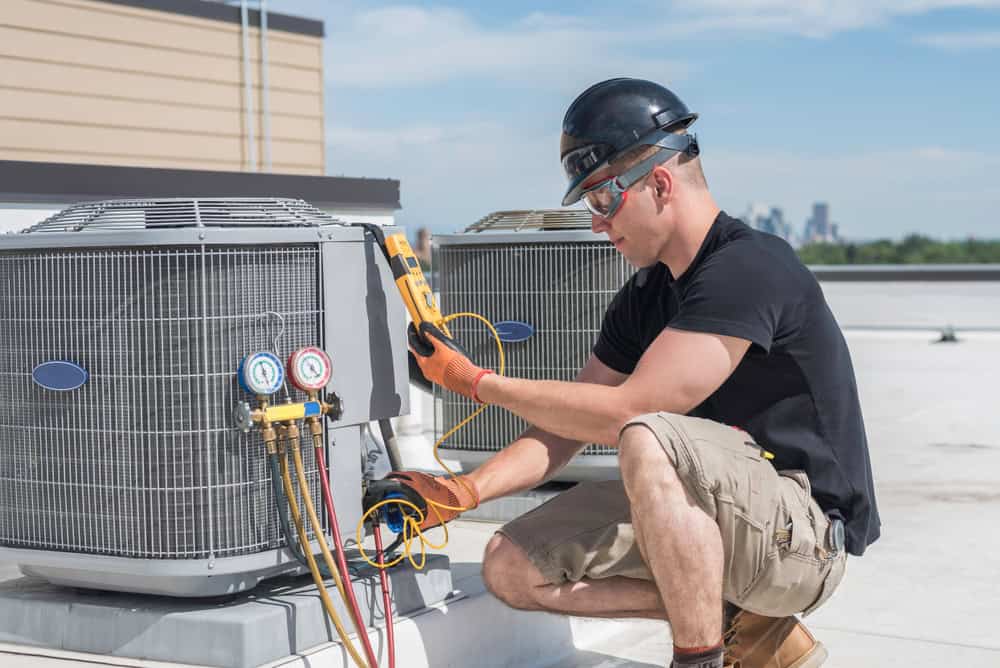
Labor is where NYC pricing separates from national averages. HVAC technicians in New York City charge between $75 and $150 per hour, and installation labor for a full system typically adds $1,000 to $3,000 for residential jobs. Commercial installations require more technicians, more hours, and specialized skills, so labor costs scale accordingly. You’re not just paying for the install—you’re paying for licensed professionals who know how to navigate NYC building codes and coordinate with building management.
Permits are non-negotiable. Most HVAC installations require a Department of Buildings permit, and depending on the scope, you’re looking at $300 to $5,000 in permit fees. If your building is in a landmark district, add another $500 to $2,000 for Landmarks Preservation Commission approval, plus one to three months to the timeline. Equipment Use Permits come into play for systems over three tons, and those need periodic renewal.
Ductwork is another variable. If your existing ducts are in good shape, you might avoid this cost. If they’re leaking, undersized, or nonexistent, ductwork installation or modification adds $2,000 to $5,000 or more. In older NYC buildings where running new ducts means cutting through finished walls or navigating tight vertical shafts, the complexity drives up both time and cost.
Then there are the extras that don’t always make it into the initial estimate. Crane fees for rooftop equipment installations can add $2,000 to $5,000. Electrical upgrades to handle new system loads might cost another $500 to $2,000. If you’re in a co-op or condo, alteration agreement paperwork and building management coordination add time, even if they don’t directly add hard costs. These are the details that separate a rough estimate from an accurate budget.
Residential vs Commercial HVAC Installation Pricing
Residential HVAC installation in NYC typically falls between $4,000 and $15,000 for a complete system. Single-family homes or individual apartments on the lower end, multi-story brownstones or larger residences on the higher end. A straightforward replacement where you’re swapping out an old furnace and AC unit with new equipment using existing ductwork and electrical runs closer to $5,000 to $8,000. Add new ductwork, upgrade to a high-efficiency heat pump, or deal with complicated building access, and you’re looking at $10,000 to $15,000 or more.
Mini-split systems have become popular in NYC apartments and brownstones because they avoid the ductwork issue entirely. A single-zone ductless system runs $3,600 to $5,500 installed. Multi-zone systems covering two to four rooms cost $6,900 to $17,800. For a full three-story brownstone, you might spend $14,000 to $22,000 for a complete ductless setup.
Commercial HVAC installation is a different scale. Small commercial systems for office spaces or retail stores start around $8,000 to $30,000. Larger commercial buildings with VRF systems, multiple zones, or specialized requirements like hospitals or hotels can easily hit $25,000 to $80,000 or more. The complexity isn’t just about equipment size—it’s about system design, load calculations, zoning requirements, and ensuring the installation doesn’t disrupt business operations.
Commercial projects also face stricter permitting and inspection requirements. A commercial VRF permit alone can run $2,000 to $5,000. If you’re converting from steam or gas heat to electric heat pumps to comply with Local Law 97 emissions targets, the project scope expands to include fuel line modifications, electrical upgrades, and coordination with utility companies.
The key difference between residential and commercial HVAC installation cost isn’t just the equipment—it’s the stakes. Residential installations can usually tolerate a day or two of downtime. Commercial installations in occupied buildings require phasing, temporary climate control, and schedules built around tenant comfort and business hours. That coordination adds labor hours and project management costs that don’t exist in simpler residential jobs.
AC Installation Cost vs Furnace Installation Cost
When you’re budgeting for climate control in New York County, NY, understanding the difference between AC installation cost and furnace installation cost helps you plan accurately. Central air conditioning installation typically runs $3,900 to $8,000, depending on system size and efficiency. Furnace installation costs range from $2,800 to $7,000 for residential systems, with the fuel type—gas, oil, or electric—affecting both upfront cost and long-term operating expenses.
Many property owners replace both at the same time, even if only one system has failed. Why? Because your furnace and AC share components like the blower and ductwork. Installing a high-efficiency AC with an old furnace means you won’t get the full efficiency rating you paid for. A matched system where both components are designed to work together delivers better performance, more consistent temperatures, and a longer lifespan. Combined furnace and AC replacement typically costs $5,000 to $12,500, which often saves money compared to doing the jobs separately a few years apart.
Heat pumps offer another option, especially for property owners looking to eliminate fossil fuel heating and comply with NYC’s building emissions regulations. Heat pumps handle both heating and cooling in one system, with costs ranging from $4,200 to $8,000 for standard models and up to $20,000 or more for geothermal systems. In NYC’s climate, cold-climate heat pumps have become more viable, delivering reliable heating even when outdoor temperatures drop below freezing.
Factors That Affect AC Installation Cost and Furnace Pricing
System size is the first factor. HVAC equipment is sized in tons for cooling and BTUs for heating. A 1,200-square-foot apartment needs a different capacity than a 3,500-square-foot brownstone. Proper sizing requires a Manual J load calculation that accounts for square footage, insulation, windows, and local climate. Oversized systems waste energy and cycle improperly. Undersized systems run constantly and never quite keep up. Getting the sizing right the first time matters, and it affects both equipment cost and installation complexity.
Efficiency ratings drive both upfront cost and long-term savings. Air conditioners are rated by SEER (Seasonal Energy Efficiency Ratio), with higher numbers meaning better efficiency. Basic 14-15 SEER units cost less upfront but use more energy. High-efficiency 18-22 SEER systems cost more to buy and install but can cut cooling costs significantly over their 15-20 year lifespan. Furnaces use AFUE (Annual Fuel Utilization Efficiency) ratings. A 90+ AFUE furnace costs more than an 80 AFUE model but wastes less fuel.
Building accessibility affects labor costs more than most property owners expect. A system in an easily accessible mechanical room takes less time to install than one in a cramped attic, tight crawlspace, or rooftop location requiring crane access. In NYC, walk-up buildings mean hand-carrying equipment up multiple flights of stairs. Buildings with limited freight elevator hours add scheduling constraints that extend the project timeline. Pre-war buildings with thick masonry walls and restricted outdoor unit placement add labor hours that show up in the final bill.
Ductwork condition determines whether you’re doing a simple equipment swap or a more involved installation. Leaky, undersized, or deteriorating ducts undermine a new system’s performance. Sealing existing ducts might add a few hundred dollars. Replacing or installing new ductwork adds $2,000 to $5,000 or more, depending on the home’s layout and how accessible the duct runs are. In older NYC buildings where ductwork needs to snake through finished spaces, the installation complexity increases substantially.
Fuel type and utility connections matter for furnaces. Natural gas furnaces are common and relatively straightforward if you already have gas service. Oil furnaces, still found in many older NYC buildings, require fuel tank access and chimney venting. Electric furnaces are simpler to install but may require electrical panel upgrades to handle the load. If you’re converting from one fuel type to another—say, switching from oil to gas or from gas to electric heat pumps—expect additional costs for new utility connections, line installations, and potential panel upgrades.

Hidden Costs and Permit Requirements in NYC
Permit fees in NYC aren’t hidden if you know to ask about them, but they catch property owners off guard when they’re not included in the initial quote. Most HVAC installations require a Department of Buildings permit filed through DOB NOW. Standard residential permits run $300 to $500. More complex installations or commercial projects can hit $2,000 to $5,000 in permit fees. Your contractor should handle the permit application, but make sure the quote specifies whether permit fees are included or additional.
Equipment Use Permits are required for many HVAC systems in NYC, particularly those over three tons or systems that penetrate fire divisions, roofs, or exterior walls. The permit application requires documentation, and the FDNY conducts periodic inspections. If your system needs an EUP and you don’t have one posted, you’re looking at a Notice of Violation. The permit itself isn’t expensive, but the inspection scheduling and compliance documentation add administrative time to the project.
Landmark district approvals add both cost and timeline if your building falls under Landmarks Preservation Commission jurisdiction. LPC approval for rooftop HVAC equipment or facade-mounted units requires additional documentation, sightline studies, and sometimes physical mock-ups to demonstrate the equipment won’t be visible from the street. Approval fees run $500 to $2,000, and the process adds one to three months to your project schedule. If you’re in a historic district in Manhattan, factor this in from the beginning.
Crane and rigging fees apply when equipment needs to go on a rooftop and building access doesn’t allow for elevator or stair transport. A single crane day in NYC can add $2,000 to $5,000 to the project. This is common for larger commercial systems or residential buildings where rooftop condensers are the only viable option. The logistics of scheduling crane access on NYC streets—permits, street closures, coordination with neighbors—add complexity beyond just the equipment cost.
Electrical upgrades are necessary when your existing electrical panel can’t handle the new system’s load. Adding a dedicated circuit or upgrading the panel capacity costs $500 to $2,000 or more, depending on the scope. Older buildings with outdated electrical systems sometimes need more extensive work, especially when switching to electric heat pumps or high-efficiency systems with variable-speed components that draw power differently than old single-stage equipment.
Co-op and condo alteration agreements don’t usually add hard costs, but they add time and administrative requirements. Buildings require proof of insurance, contractor licensing, work schedules, and sometimes damage deposits before approving HVAC work. The approval process can take four to twelve weeks, and any mismatch between what your contractor provides and what the building requires delays the start date. Making sure your contractor understands co-op and condo requirements upfront avoids these delays.
Planning Your NYC HVAC Installation Budget
HVAC installation in New York City costs more than national averages, but understanding what drives those costs helps you budget accurately and avoid surprises. Equipment, labor, permits, building access, and system complexity all factor into the final price. Residential installations typically range from $4,000 to $15,000, while commercial projects scale from $8,000 to $80,000 or more depending on building size and system requirements.
The key to avoiding hidden fees is asking for a detailed breakdown upfront. Make sure your quote includes equipment, labor, permits, any necessary ductwork or electrical work, and building-specific costs like crane fees or landmark approvals. Property owners who treat the estimate as a starting point and ask about every line item end up with fewer surprises when the project wraps.
Working with a contractor who knows NYC’s building codes, permit requirements, and the logistics of working in occupied Manhattan buildings makes the difference between a smooth installation and a project that runs over budget and behind schedule. For over 50 years, we’ve been helping property owners navigate HVAC installations across the Tri-State area, with the expertise to handle everything from hard-to-find parts for older systems to complex commercial installations in landmark buildings. When you’re ready to move forward with transparent pricing and no hidden fees, reach out to us for a consultation that starts with understanding your specific needs.