Summary:
Summer in Manhattan doesn’t ease in gradually. One week you’re comfortable, the next you’re staring at a heat index over 100 degrees—and your HVAC system is working overtime just to keep up.
Here’s the reality: most emergency calls happen during the first major heat wave of the season. Systems that haven’t been checked since last fall suddenly face 24/7 demand, and small issues you could have caught in April become full breakdowns in July when every technician in the city is booked solid.
You don’t need another generic maintenance checklist. You need to know what actually goes wrong, how to spot it early, and what steps prevent your system from failing when you need it most.
Let’s start with what your system is trying to tell you right now.
Pre-Summer HVAC System Inspection Essentials
Your HVAC system spent months in low gear. Now you’re asking it to run continuously for the next four months straight.
Think of a pre-summer inspection like checking your car before a cross-country road trip. You wouldn’t wait until you’re stranded on the highway to realize your tires were bald. Same logic applies here.
Spring is when you have leverage. Technicians aren’t slammed yet. Parts are available. You can schedule maintenance on your terms instead of desperately calling for emergency service when it’s 95 degrees and your tenants are filing complaints.
The goal isn’t perfection—it’s catching the issues that turn into emergencies under heavy load.
Emergency HVAC Service vs. Preventive Inspection

There’s a massive difference between preventive inspection and emergency service—and it’s not just the price tag.
Emergency service means you’re reacting. Your system already failed. Tenants are uncomfortable. You’re calling around trying to find anyone available. Response times during heat waves in New York County, NY can stretch from a few hours to 24 hours or more, depending on how many other buildings are in the same situation. Even companies that promise fast response get overwhelmed when half of Manhattan loses cooling on the same day.
Preventive inspection means you’re in control. You schedule it when it’s convenient. Your technician has time to actually look at your system instead of rushing to the next emergency call. You can order parts in advance. You avoid the after-hours fees that come with weekend or holiday emergency visits.
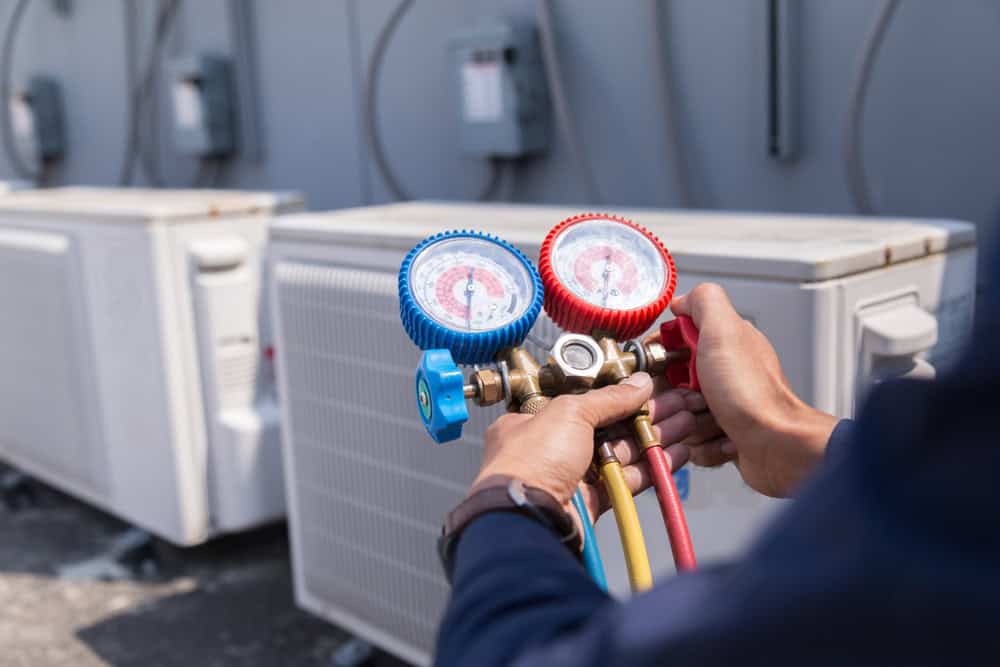
Here’s what matters during a pre-summer inspection: filter condition, refrigerant levels, electrical connections, condensate drain lines, and airflow across coils. These aren’t complicated fixes when caught early. A clogged drain line takes 20 minutes to clear in May. That same clogged line in July means water damage and a system shutdown.
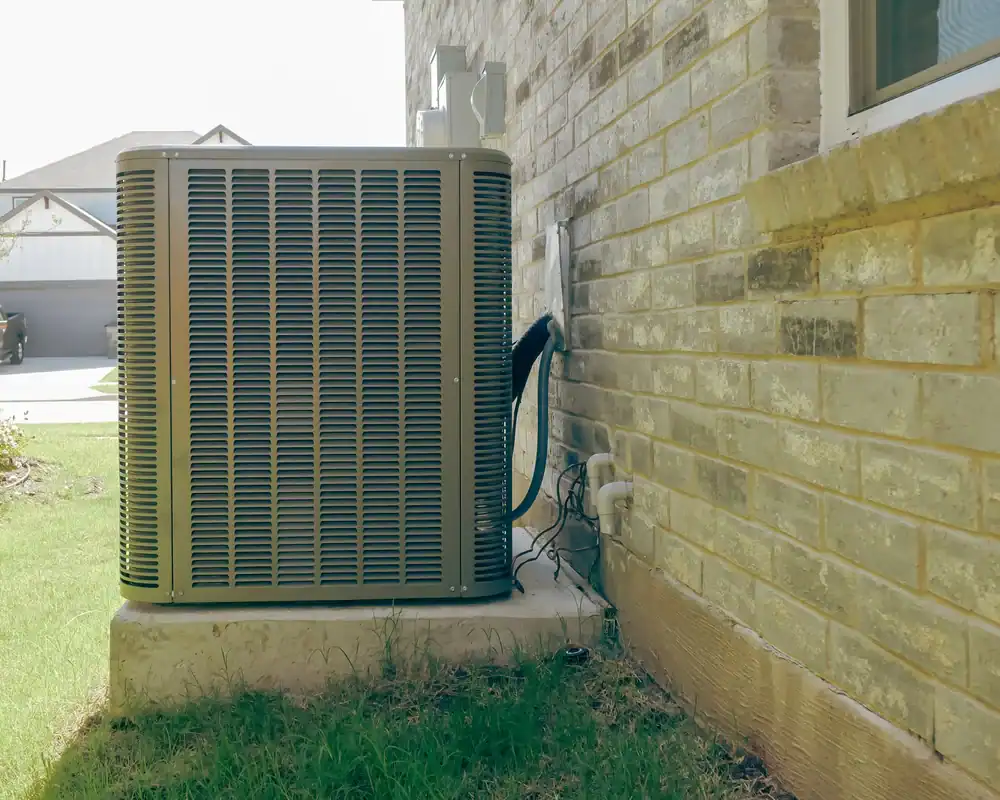
Your outdoor condenser unit needs attention too. Debris buildup, bent fins, and blocked airflow make your system work harder than it should. That extra strain shortens lifespan and increases the odds of failure during peak demand.
The inspection should also cover your thermostat calibration. If your thermostat reads three degrees off, your system is either overcooling and wasting energy or undercooling and frustrating occupants. Both scenarios create problems you don’t need.
Don’t skip the ductwork check. Leaky ducts waste conditioned air before it reaches your spaces. You’re paying to cool your walls and ceilings instead of your rooms. Sealing duct leaks improves efficiency and reduces the load on your equipment.
One more thing: age matters. If your system is over 15 years old and you’re seeing multiple small issues, you’re probably better off planning a replacement on your schedule rather than waiting for a catastrophic failure during a heat wave. Emergency replacements cost more and give you fewer options.
HVAC System Failure Warning Signs You Can't Ignore
Your HVAC system doesn’t just quit without warning. It gives you signals—sometimes for weeks—before it fails completely.
Unusual noises are your first red flag. Grinding sounds usually mean motor bearings are wearing out. Squealing often points to belt issues. Banging can indicate loose components or mechanical failure inside the unit. None of these sounds fix themselves. They get worse under heavy use.
Strange smells are just as important. Musty odors suggest mold or mildew in your ductwork or drain pans. A burning smell could mean electrical problems. Any chemical or sweet scent might indicate a refrigerant leak, which is both an efficiency issue and a safety concern.
Watch your utility bills. A sudden spike in energy costs without a change in usage means your system is losing efficiency. As equipment ages and components wear down, it takes more power to maintain the same temperature. That inefficiency is a warning sign that bigger problems are coming.
Inconsistent temperatures across your building tell you something’s wrong with airflow or zoning. Maybe it’s blocked vents, maybe it’s duct leaks, maybe it’s a failing blower motor. Either way, your system is struggling to do its job.
Short cycling is a major concern. If your system turns on and off repeatedly without completing a full cooling cycle, you’re putting excessive stress on the compressor and other major components. This behavior wastes energy, reduces comfort, and dramatically shortens equipment lifespan.
Frozen coils mean your system can’t handle the load. Low refrigerant levels, dirty air filters, or poor airflow can all cause coils to freeze. When you see ice forming on your unit, shut it down and call for service before you damage the compressor.
Rising indoor humidity is another warning sign. Your AC should remove moisture from the air as it cools. If your spaces feel sticky even when the AC is running, your system isn’t operating correctly.
Here’s the pattern you need to recognize: one small issue is maintenance. Multiple issues appearing at once, or the same problem recurring after repairs, means your system is declining fast. That’s when you’re in the danger zone for an hvac emergency breakdown.
The worst time to discover these warning signs is during the first 95-degree day in June. That’s when every HVAC company in the Tri-State area is fielding emergency calls and response times stretch to 24 hours or more.
AC Emergency Response Planning for NYC Heat Waves
New York City heat waves don’t give you much notice. One day you’re fine, the next day the heat index is pushing 100 degrees and your building is baking.
You need a plan before that happens. Not a generic checklist—an actual response plan that accounts for your specific building, your equipment age, and your backup options.
Start with knowing who to call. Don’t wait until you have an emergency to search for “HVAC emergency service near me” and hope for the best. Establish a relationship with a service provider now, while you have time to vet their expertise, response times, and parts availability.
Your emergency contact list should include your HVAC service provider, your building’s electrical system contact, and your utility company. During extreme heat events in New York County, NY, power grid strain can cause outages or voltage reductions that affect HVAC performance.
What Actually Constitutes an HVAC Emergency
Not every HVAC problem is an emergency. Knowing the difference saves you money and helps you prioritize correctly.
A true emergency means immediate safety risk or complete system failure during extreme temperatures. Gas leaks, carbon monoxide detector alarms, electrical burning smells, sparks or smoke, and complete loss of cooling during dangerous heat all qualify as emergencies. These situations require immediate professional response.
Complete heating or cooling failure during extreme weather is also an emergency, especially in buildings with vulnerable populations like elderly residents or young children. When indoor temperatures become dangerous, you can’t wait.
Refrigerant leaks are urgent. Water pooling around indoor units can indicate serious drainage problems or refrigerant issues. Both need quick attention to prevent equipment damage and potential safety hazards.
Now here’s what’s not an emergency: a system that’s running but not cooling quite as well as usual, a thermostat that needs batteries, or routine maintenance you’ve been putting off. These issues need attention, but they don’t require emergency service rates.
The confusion happens in the gray area. Your system is running but struggling to keep up during hot weather. Is that an emergency? It depends. If indoor temperatures are rising into dangerous territory, yes. If it’s just not quite as comfortable as you’d like, that’s a service call during normal business hours.
Here’s a practical test: if the situation poses immediate safety risk, threatens property damage, or creates unbearable conditions for occupants during extreme weather, it’s an emergency. Everything else can wait for regular service hours.
Understanding this distinction matters because emergency service comes with premium pricing. After-hours calls typically add $50 to $150 on top of the standard service fee. Weekend and holiday rates can be even higher. You should pay those rates when you truly need immediate help, not for problems that could wait until Monday morning.
The best emergency response plan is one you never have to use. That’s where preventive maintenance and early warning sign detection become valuable. Catching problems in April means you’re not making emergency calls in July when Manhattan buildings compete for the same limited pool of available technicians.
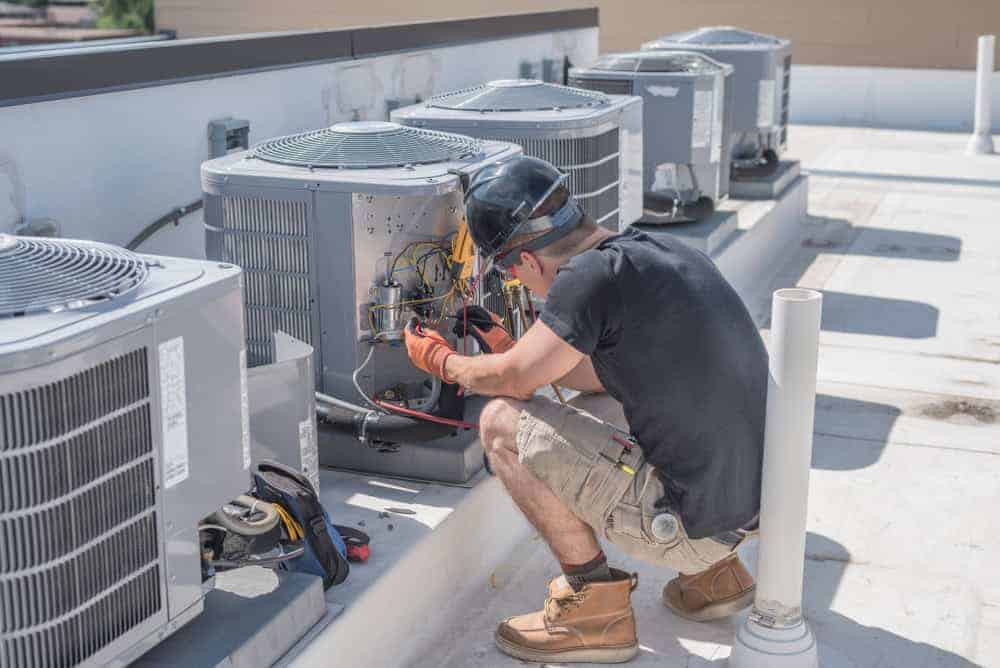
For commercial buildings in New York County, NY with specialized equipment like PTAC units, fan coil systems, or water source heat pumps, having access to hard-to-find parts becomes critical during emergencies. A service provider with deep inventory and OEM parts expertise can mean the difference between a same-day fix and days of downtime waiting for parts to arrive.
System Optimization for Peak Summer Performance
Your HVAC system faces its biggest test during summer heat waves. Optimization now means reliability later.
Start with the basics: clean or replace air filters. This is the single most important maintenance task you can do yourself. Dirty filters restrict airflow, make your system work harder, and increase the risk of overheating and failure. During peak cooling season, check filters monthly.
Verify your thermostat settings are appropriate. Setting your thermostat at 78 degrees during peak demand helps manage energy costs and reduces system strain. Every degree lower increases energy consumption and puts additional stress on your equipment.
Clear the area around your outdoor condenser unit. You need at least two feet of clearance on all sides for proper airflow and heat release. Trim back vegetation, remove debris, and make sure nothing is blocking the unit.
Check your condensate drain line. Pour a cup of water mixed with a small amount of vinegar down the drain line to help prevent clogs. A clogged drain line is one of the most common causes of emergency service calls in Manhattan, and it’s completely preventable.
Inspect visible ductwork for leaks or damage. Seal any gaps with proper duct tape or mastic. Leaky ducts can waste 20-30% of your cooled air before it reaches your spaces.
Consider upgrading to a programmable or smart thermostat if you haven’t already. These devices can adjust temperatures based on occupancy patterns, reducing unnecessary runtime and extending equipment life.
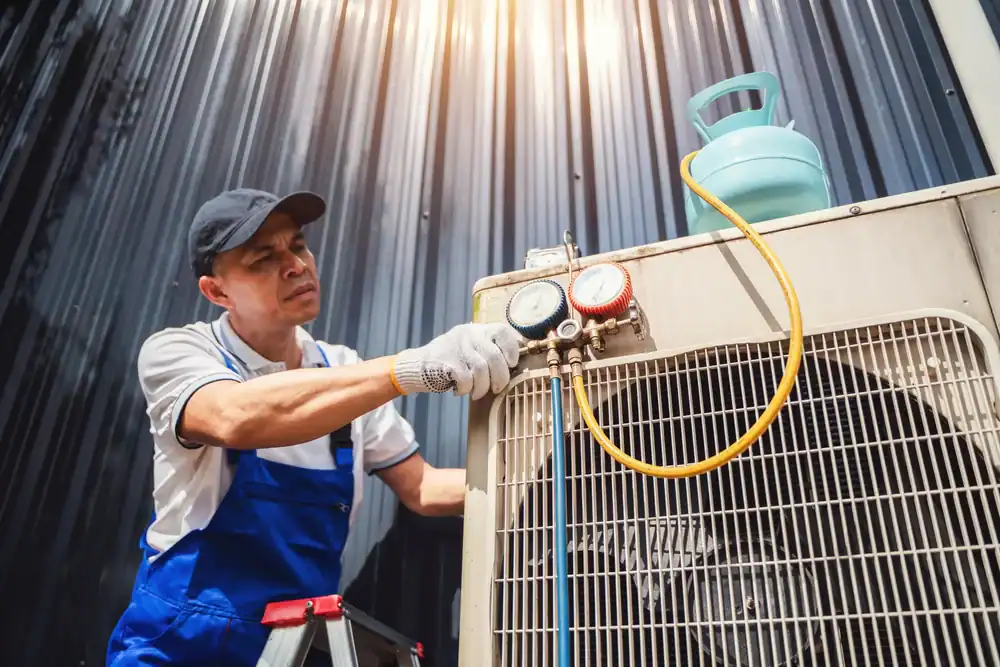
Schedule professional maintenance before the heat arrives. A qualified technician can check refrigerant levels, test electrical connections, clean coils, and identify potential problems you might miss. This service typically costs a fraction of what you’d pay for emergency repairs.
For commercial buildings with older systems or critical cooling needs, consider a maintenance agreement. These programs provide priority service, regular inspections, and often include discounts on repairs. When you need emergency service, you get bumped to the front of the line.
Don’t ignore your building’s overall thermal performance. Proper insulation, window treatments, and air sealing reduce cooling load and help your HVAC system perform better. Every bit of heat you keep out means less work for your equipment.
Pay attention to how your system cycles. It should run in consistent cycles, cooling your space and then shutting off for a period before the next cycle. If it’s running constantly without reaching the set temperature, or if it’s cycling on and off every few minutes, something’s wrong and you’re looking at potential hvac system failure.
Preventing HVAC Emergencies Before Summer Heat Arrives
Summer heat in Manhattan is predictable. HVAC emergencies during that heat don’t have to be.
The systems that fail during heat waves are usually the ones showing warning signs for weeks beforehand. Strange noises, rising energy bills, inconsistent cooling, and short cycling all tell you something’s wrong. Acting on those signals in spring means you’re not scrambling for emergency service in July.
Pre-summer inspections aren’t about checking boxes on a generic list. They’re about understanding your specific system, catching the issues that lead to failure under peak load, and addressing them before demand spikes.
When you need expertise with hard-to-find parts, older systems, or specialized equipment like PTAC units common in New York County, NY commercial buildings, experience matters. We’ve spent over 50 years helping Manhattan buildings avoid emergency situations through preventive service, expert consultation, and immediate access to over 20,000 parts that keep systems running.
Your move is simple: don’t wait for the first heat wave to test your system. Get ahead of it now.